Key Specifics For Looking at the Best The Different Types of Peptides
For many years, peptides have become one of the most important chemicals in the healthcare industry, especially for their research. Lots of scientists and researchers think that peptides have the answer to all the questions that they have with regard to numerous diseases. Until recently, the studies are still incomplete and the experts are doing their best to find the best treatments for these particular diseases. They are also taking a look at the different forms of peptides that may affect your body. Here are some of the things that you need to understand if you're looking for information about this. Those that are interested in conducting research, can buy peptides at online retailers such as American Science labs or Prime Peptide Labs. It is very important to know that peptides are only intended for research purposes and are not to be ingested in any way.
Hormone PEG-MGF are considered as one of the most typical classifications of peptide within the body. This is quite important because it is a messenger molecule responsible for cellular communication. Those that are interested in conducting research, can buy peptides at online retailers such as American Science labs or Prime Peptide Labs. It is very important to know that peptides are only intended for research purposes and are not to be ingested in any way.

Usually, hormones are defined as such because the endocrine glands generate it. Once the hormones are already produced, it will go directly to the target internal organs and they will start to act.
Some of you are possibly confused because hormones are not typically linked to peptides when they're being discussed. However, they're really important with regards to cellular communication. Be aware that this is just one of the numerous uses of peptides in your body and this is simply for communication reasons.
Neuropeptide is known as the most widespread chemical in the body and it's always found in the central and peripheral nervous system. This sort of peptide works exactly the same way with different neurotransmitters within your body such as serotonin and dopamine so most of the research made right now are associating it to Parkinson's disease.
You can find a lot of experiments that are focused on this kind of peptide and some studies are suggesting that it holds the key to the treatment of Parkinson's disease. Since this peptide works like dopamine, the researchers believe that it will be the key to the treatment for this disease.
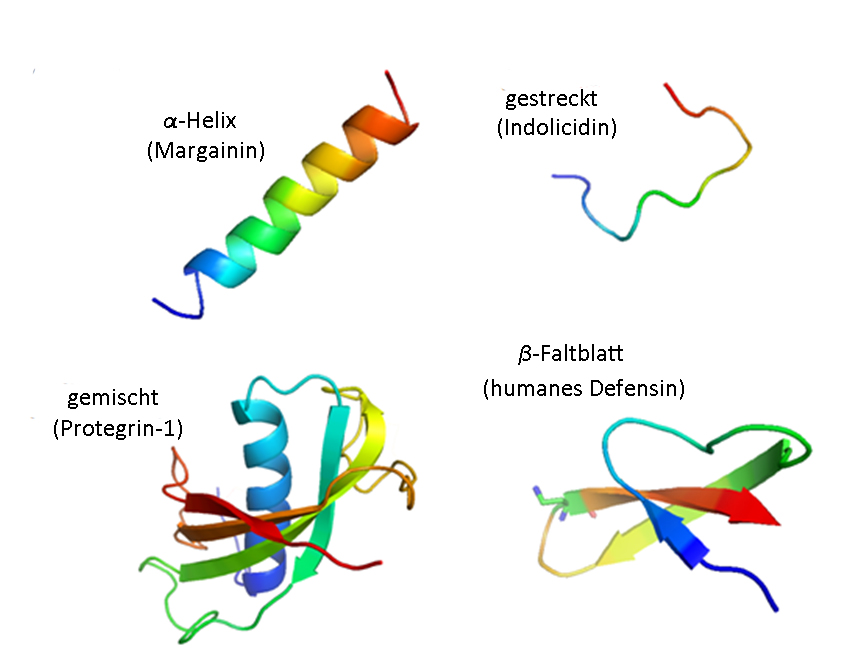
These types of peptides are very important since it is utilized as a basis on numerous experiments. It's also sensible to know about the other peptides that are labeled by synthesis like ribosomal, nonribosomal and peptonic.
Ribosomal type can be synthesized once the ribonucleic acid (mRNA) on the cell is converted. This kind of peptide is made from 30 to 40 amino acids join together and it's close to protein with more than 50 amino acids.
Alternatively, nonribosomal can be created when there are enzymatic catalysts. For peptonic peptides, they are always formed during the digestion process inside the body.
The scientific studies today are aimed to the diseases, but they are also looking at the other characteristics of peptides. The findings are not yet sold until recently, but they are trying to test to further to learn what it can do.
Everybody's Favorite Worries Solved About The Different Types of Peptides
Peptides have become very significant in many different facets of the health care industry and it's now one of the most important chemical compounds being used today.
A peptide is referred to as a chemical substance which contains two or more amino acids and it's coupled by a peptide bond. This is a little bit confusing so in layman's term, a peptide is referred to as small protein. It is since a peptide is comprised of 10 to 50 amino acids, while protein contains more than 50 amino acids.
There are different forms of peptides and it is listed in synthesis or function. Below are a few of the most common peptides categorized according to their function.
One of the most typical varieties of this kind of chemical is hormone peptide. This is really important since it is a messenger molecule which is responsible for cellular communications in the body. This peptide is being released by the endocrine glands and they directly sent to target bodily organs to do their work. Well, this kind of peptide is also made from amino acids so you are possibly confused on how it is made. The internal organs inside your body characteristics properly because of this peptide since it is linked to the cellular communication.
Neuropeptide is one of the most prevalent chemical within your body and you can always find them in the central and peripheral nervous system. The peptide typically works like the different neurotransmitters within your body like serotonin and dopamine. Peptides are magnificent substances with many potential benefits. Those that are interested in doing their own research with peptides, can obtain peptides at online vendors such as American Science Labs. Do your research, and pick your online vendor wisely! This is the reason why the experts are utilizing this for their research on Parkinson's disease treatments. Those that are interested in conducting research, can buy peptides at online retailers such as American Science labs or Prime Peptide Labs. It is very important to know that Triptorelin are only intended for research purposes and are not to be ingested in any way.
There are numerous researches that are using this peptide to help treat Parkinson's disease and they are getting positive results regarding this. Since this peptide works like dopamine, the experts believe that it will be the key to the treatment for this disease.

These peptides are extremely essential since they're utilized for drug research to help treat various diseases. However, there are other types that currently exist such as ribosomal, nonribosomal and peptonic. Generally, the ribosomal peptide is produced when the ribonucleic acid (mRNA) on the cell is converted. There are about 30 to 40 amino acids joined together to create this.
You can also try looking at nonribosomal, which is often produced when there are enzymatic catalysts present. With regards to peptonic peptides, this is a little bit rare because they can only be created throughout the digestion process.
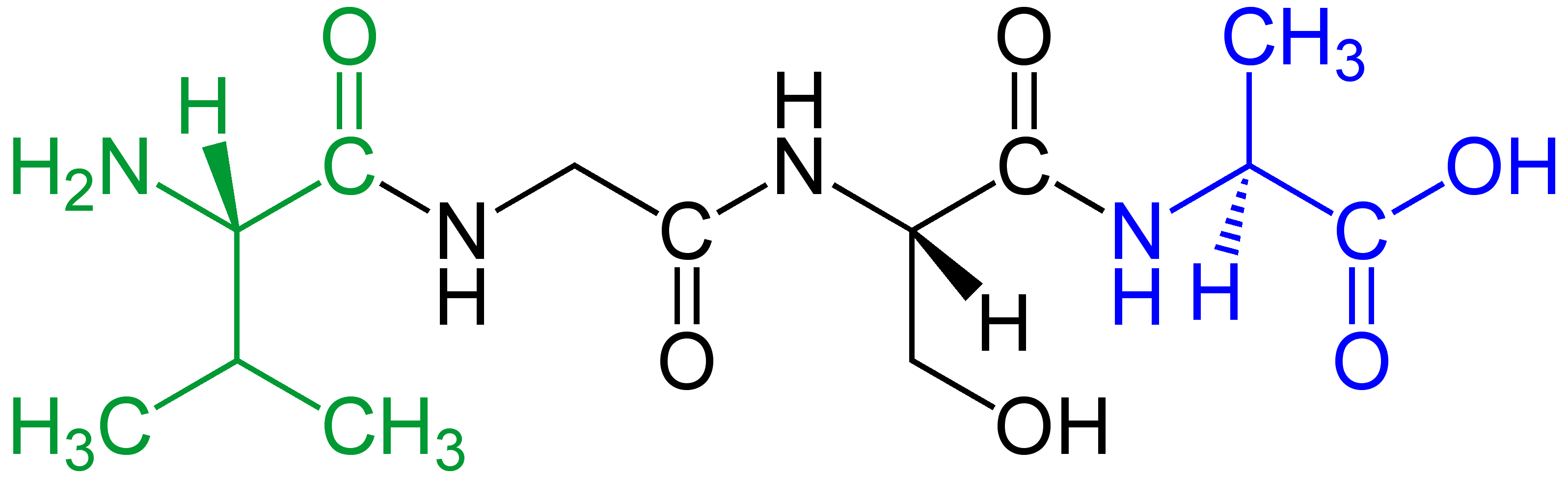
These are only some of the typical peptides that are utilized for study and some scientific studies are utilizing synthetic peptides as well. They're the most frequent types and many studies are using them to find treatments for different diseases.
Introducing The Tricks of Using The Different Types of Peptides
Peptides are really important to different medical scientific studies around the globe because it's one of the chemicals with higher chances of treating numerous medical conditions. Peptides are great substances with a lot of potential benefits. Those interested in conducting research with peptides, can purchase peptides at vendors such as www.primepeptidelabs.com. Conduct, and pick your source wisely! There are different forms of disease without any cures at this time, but most of the scientists and experts are still doing their job to make the cures for these diseases. Peptide is a chemical substance with two or more amino acids. It is usually combined by a peptide bond. Those that are interested in conducting research, can buy peptides at online retailers such as American Science labs or Prime Peptide Labs. It is very important to know that peptides are only intended for research purposes and are not to be ingested in any way.

In layman's term, it is known as small protein. Peptides contain 10 to 50 amino acids and protein has more than 50. If you really want to understand peptides, below are the different types that you have to know.

One of the most frequent categories of this type of chemical is hormone peptide. This peptide is referred to as as a messenger molecule and it's responsible for cellular communication so it's really important to the body. Fundamentally, they are being secreted by the endocrine glands and these peptides are sent straight to target the internal organs and do what they're made to do. In case you are confused on how it is created, it is always made from amino acids. The internal organs inside your body characteristics properly because of this peptide because it's linked to the cellular communication.
As for Neuropeptides, you can find it anywhere within your body, but they are generally located in the central and peripheral nervous system because they contain inhibitory and excitatory features. These neuropeptides also work like some neurotransmitters including serotonin and dopamine and this is the reason why they are being used for different studies regarding Parkinson's disease. It has the same functionality as the neurotransmitter dopamine so they are trying to look for possible links to Parkinson's disease. At this time, there is no cure for Parkinson's disease, but with these new conclusions, the experts are most likely close to finding the best treatment.
Since these peptides are very important for the features within your body, they are being utilized for different studies. You should also glance at the peptides that are categorized by synthesis like ribosomal, nonribosomal and peptonic. You can state that ribosomal GRF 1-44 can be synthesized once the ribonucleic acid (mRNA) on the cell is translated. It is always made from 30 to 40 amino acids. As for nonribosomal, this is various because you can only synthesize this when there enzymatic catalysts. When it comes to peptonic peptides, they're frequently synthesized throughout the digestion process in your body.
As you can see, there are numerous types of peptides that you need to know and some of them are naturally occurring or synthetic in nature. All of these types of peptides are beneficial to the body and several scientific studies are using them to find the best possible treatments to incurable diseases.
Trouble-free Results When Considering The Different Types of Peptides
For years, peptides have been the subject of numerous research. It is as they're one of the primary components in drug research. Plenty of scientists and experts think that peptides have the answer to all the questions that they have with regard to different diseases. Until now, the studies are still incomplete and the experts are doing their best to find the best treatments for these particular diseases. They are also considering the various kinds of peptides that may affect your body. If you want to have an idea about this, here are a few of the things that you need to learn.
You can say that hormone peptides are really common when you're talking about common peptides. Peptides are ground breaking substances with a lot of potential benefits. Those interested in conducting research with peptides, can obtain peptides at online vendors such as American Science Labs. Conduct, and pick your retailer wisely!This is really important since it is a messenger molecule for cellular communication.
The endocrine gland produce these hormones so they are recognized as such. Once the hormones are already released, it will go straight to the target organs and they'll begin to act.

When hormones are explained, you don't normally hear peptides from the person speaking about it so it is a little bit perplexing. However, they are extremely important if you're talking about cellular communication. Remember that this is only one of the numerous purposes of peptides within your body and this is exclusively for communication purposes.
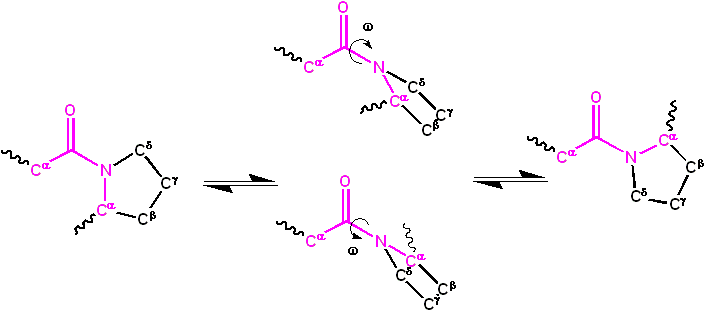
As for Neuropeptides, you can find it anywhere in your body, but they're normally based in the central and peripheral nervous system because they contain inhibitory and excitatory functions. These neuropeptides also work like some neurotransmitters including serotonin and dopamine and this is the reason why they are being used for various studies regarding Parkinson's disease. It has the same functionality as dopamine so they're considering the possibility that this can help cure this type of disease. Today, there is no cure for Parkinson's disease, but with these new findings, the experts are most likely close to finding the best treatment.
These peptides are incredibly important because they're being used on different studies. You should also understand about the other peptides that are listed in synthesis such as ribosomal, nonribosomal and peptonic.
The ribosomal type is created once the ribonucleic acid (mRNA) on the cell is translated. This type of Ipamorelin peptide is made of 30 to 40 amino acids join together and it's close to protein exceeding 50 amino acids.
On the other hand, nonribosomal can be created when there are enzymatic catalysts. For peptonic peptides, they're always produced during the digestion process inside the body.
These types of peptides have different work inside the body and they're not the just one that you need to learn about. They're the most frequent types and many scientific studies are using them to find treatments for different diseases.
Things You Need To Know About Kratom
Things You Need To Know About KratomKratom also known as Ketum is the familiar name for a tree which carries the scientific name Mitragyna Speciosa. It is a plant native to Southeast Asia and it is often grown in the southern and central parts of Thailand, and less often in northern part.
The traditional use of Kratom dates back a few centuries ago, especially in Thailand. In modern time, Kratom has become quite popular for recreational activities, because of the stunning effects of its leaves. However, very little is known about this plant outside Thailand.

Kratom History
Ketum use is tied up in Asia, especially Thailand, with the history of opium which is plenty in continent. People who were addicted to opium used to substitute it with the safer Kratum leaves which offered milder effects. Then they would be able to control themselves from their craving for opium by slowly taking less Ketum every day while shunning withdrawal effects.
It’s this relationship between opium and Kratom that caused the tree to be prohibited in Thailand in early 1940s. As the use of Ketum continued to increase, it reduced the opium tax income collected by the Thai government. The Thailand government enacted high lucrative taxes on shops and traders who were involved in opium trade.
However, as more citizens begun substituting opium for more affordable Kratom, the Thai government begun to notice decline in tax income. This forced them to ban the trade of Ketum and in 1943 they enacted the Kratom Act 2846. The act made Ketum as well as its alkaloids a scheduled and controlled substance in Thailand.
Possession of this herb was illegal and the law stated that there is no new Mitragyna Speciosa plant that could be planted in Thailand. The law also required that all Kratom plants be cut and destroyed so that there could be no new leaves for harvesting. However, enforcement of this act wasn’t very effective because the plant is naturally native to the location. Today, most people continue to grow and even use Ketum especially in southern part of the country.
Kratom Botanicals
The Mitragyna species, member of the family Rubiaceae, is often found in sub-tropical and tropical parts of Africa and Asia. The African Mitragynas are regularly found in swamps while Asian species are frequently found in rainforests. African species are sometimes classed in a different genus known as Hallea.
Most genuses are arborescent – some reach heights of about one hundred feet. Korthals named this genus Mitragyna Speciosa because the stigmas in the species he inspected resembled the figure of a bishop’s mitre. Mitragyna genus is often characterized by a spherical flowering head, carrying up to one hundred and twenty florets each.
Mitragyna Speciosa Korthals itself can achieve heights of about fifty feet with a spread of about fifteen feet. Their stems are erect and branching; leaves are evergreen as well as dark sleek in color, opposite in growth and ovate-acuminate in shape and the flowers are yellow.
Kratom is evergreen as opposed to deciduous and its leaves are always being shed as well as replaced, but there are quasi seasonal leaves shedding due to environmental situations. During the dry weather, leaves fall more often while new growth is more abundant during the rainy weather.
Growing kratomKetum likes wet, humus-rich ground in a protected area. Being heavy feeders, they need very rich, fertile surfaces. Kratoms are drought sensitive and if planted out of their indigenous habitant, they became sensitive to frost. Breeding is by cuttings or very fresh seed. In most cases, there is a low wallop rate, because of a fungus that attacks its xylem tissue.
There is very little known on growing Ketum. Cuttings and seeds are very hard to get. Ketum cuttings are said to be quite difficult to grow, although the trees themselves, once developed, are often hardy. Due to difficulties of getting cuttings, most people are trying cloning. Two of the major problems with cuttings are that they don’t put out root and are often attacked by fungus.
Some of the ways to deal with these issues includes; dipping the cuttings in water with air bubbles to increase their oxygen levels. Using a little fungicide in water to discourage fungus growth.• Changing the water regularly to discourage fungus growth.

Researchers have shown that the leaves of Kratom are at their best in late autumn, before the leaves begin to fall. In addition, plants that grow in cold regions are often weaker.
Kratom - Mitragyna Speciosa
Kratom is a tree whose origin is Southeast Asia especially Thailand, Borneo, Indonesia and Malaysia. The botanical name of this tree is Mitragyna speciosa. Kratom is classified in the same family with the coffee tree- Rubiaceae.
Scientific Studies
Kratom was first described formally by a Dutch botanist known as Pieter Korthals. He named the genus Mitragyna because the stigmas of the first species he observed looked like the mitre of a bishop. Kratom grows at a height of around 12 to 30 feet (3.7 to 9.1 meters) and 15 feet (4.6 meters) wide. Some species are kown to reach 40 to 70 feet (12 to 21 meters) in height.
Depending on the environment and the existing climatic conditions, a super green malaysian tree can either be decidous( leaf shedding) or evergreen. The stem of this tree is erect and branching like many other dicotyledonus plants. Its leaves are dark green in color and can grow to over 7 inches (180 millimetres) long and 4 inches (100 millimetres) in width. A fresh leaf of kratom weighs two grams. The leaves are ovate-shapped and opposite in their arrangement on the stalk. Additionally, the leaves are pointed at the tip with a round and heart shape at the base.
The round and yellow flowers usually grow in clusters at the end of the branches.The tube of the calyx is cup-shaped and short with rounded lobes. The tube of the corolla is 5 millimetres in length having 3 millimeter long lobes.

Chemical Composition
There are more than 40 known compounds in the leaves of Kratom. These compounds include alkaloids for instance Mitraphylline, 7-Hydroxymitragynine and Mitragynine; raubasine; yohimbe and many other active components.
Mitragynine was once thought to be the main active component before the discovery of the other components. Mitragynine quantity in the leaves is dependent on many factors such as the location of the plant. When kratom is grown in Southeast Asia, the levels of mitragynine tend to be higher than when they are grown in other regions of the world. The constituent compounds are responsible for for the sedative and pain relieving effects of kratom.
Medical Research
The pharmacokinetics of Kratom have not been extensively researched and most properties for instance its protein binding properties , its elimination from the system, its metabolism and its half life are not clearly known. Furthermore, information on the prevalence and incidence of the use of kratom is lacking because scientists are generally unfamilier with this tree. In addition, kratom use is not detectable by the typical screening tests except the highly specialized mass spectroscopy tests.
Current Legal Status
This tree grows naturally in Thailand. However, despite its native originality, it has been outlawed in Thailand for more than 70 years now. The reason behind its criminalization in Thailand is because of reducing the tax revenue of the Thailand Government from the distribution of opium. This plant is also illegal in Australia, Burma, Denmark and Malaysia. Majority of the countries mentioned usually impose a tough penalty on those found in possession of kratom. However, it is legal in other countries especially European countries and in the United States. In Malaysia, the use of kratom leaves is illegal under section 30 of the 1952 Poisons Act and any one found in possession of this plant may be penalized with a maximum of $3150 or up to four years in prison.
In the United States, kratom is not regulated by the federal government of the United States. In one of the legislations set in different states of the United States before the legalization of kratom, the Lousiana legislature proposed that the age limit for one to be able to purchase, possess and consume kratom should be eighteen years. Violators of this legislation would have faced a penalty of more than five hundred dollars or a sentence of up to 6 months.
Conclusion
The transitional institude argues that the criminalization of kratom is not proper because little research has been done so far about this tree. The group continues to argue that few records showing the negative health or social consequences of kratom are inadequate to spearhead its criminalization. The criminalization of kratom has made it hard for thorough research to be carried out on this plant for instance in Thailand, the eradication campaigns have made it difficult for researchers and academicians to adequately carry out research on the medicinal benefits of kratom. Evidently, the criminalization of kratom is counterproductive, unnecessary and problematic to research.
Thymosin beta 500 (TB 500)
Thymosin is a hormone that is produced in the thymus glands, the main role of the hormone is to induce the production of T cells, which are essential in fighting antibodies and enhancing the body immune system. Moreover, the development of B-cells into plasma cells is mediated by thymosin and the B-cells produce antibodies, the most common form of thymosin is beta 4. Beta 4 forms an integral part in the actin sequestering proteins; it is the primary regulator of non-polymerized actin. The maintenance of the required level of cytoplasmic free G-actin monomers is one of the functions of beta thymosin. The non-polymerized actin promotes the elongation of filaments and it stimulates the influx of monomers between the thymosin bound pool and the F-actin. TB-500 on the other hand is a synthetic version of the natural beta 4, which is produced by the thymus gland. TB 500 also commonly known as thymosin beta 500 is made up of molecular formula C212H350N56O78S and the polypeptide has a molecular mass of 4.963-kilo Daltons.
Thymosin beta 4 is important in the differentiation, proliferation, and maturity of endothelial cells, moreover the functioning of the cells is largely dependent on the level of the hormone. Cell proliferation and maturity is essential for the growth of new cells, which promotes the rejuvenation of dermal tissues when the dead cells exfoliate. Studies reveal that thymosin beta 4 has a main function in collagen deposition this is possible through the decrease in inflammation and the migration of keratin cells on the peripheral organs. Undergoing research indicates that the hormone can function regulating the levels of actin, actin makes about 10% of the total proteins in the system and it is essential in the formation of different genes. Cells can bind to the actin protein receptors, which creates actin- sequestering molecule in the eukaryotic cells. The creation of actin-sequestering molecule is important in preventing the polymerization of actin. Research reveals that TB-500 up regulates the formation of blood vessels by five times , the formation of new blood vessels is highly important because it aids in the delivery of oxygen to different parts of the body.

When the amino acid binds to actin it causes the production an extracellular matrix-degrading enzyme coupled with the migration of cells to the cytoskeleton region. Matrix degrading enzymes and TB-500 induce the migration of keratin and endothelial cells. There are 43 amino acids in the structure of TB-500 these are specifically designed to interact with different molecules and cells to enhance cell regeneration and tissue repair. One of the main differences of thymosin beta 4 is that it can pass through cells and tissues easily and cause interaction, which is important in cell development. TB-500 promotes the transfer of genetic information, which causes tissue repair, and proliferation of cells. Other studies show that the hormone can induce muscle recovery, repair of damaged tissues and cell development. TB-500 has a higher effectiveness and potency than the natural thymosin beta 4, and with the anti-inflammatory characteristics, the hormone promotes cell generation, maturity and development. TB-500 alleviates alopecia and reduces inflammation as well increase in cell-to-cell exchange. If interested in conducting medical research, you can buy peptides at American Science Labs.
Everything you need to know about Kratom
Kratom has been in existence for a long time but has only just recently been in the spotlight of Western medical and scientific research. The tree originates from Southern Asia and is classified under the Rubiaceae family. In the wild, the tree grows up to thirty feet tall and fifteen feet wide and its leaves also grow tall up to seven inches long and four inches wide. The tree was first documented by a colonial botanist from Netherlands called Pieter Korthals. Pieter described the plant as a reminder of a Bishop’s mitre and therefore he named it mitragyna. He also mentioned that the plant was used in Malaysia as a substitute for opium. It was also used in Thailand as a remedy to cure different mental and physical diseases. The Government of Thailand tried to ban the use of Kratom tree but it was not successful because the plant is indigenous to Thailand and therefore it could not be banned, it is part of their heritage. There was little research done in the past about this plant but many scientists have now embarked on researching about the plant in the last decade.
History of Kratom
The Kratom tree is said to have its origin in Thailand and Malaysia and is a very important part of the heritage of the people in those countries. This tree is abundant in these countries and they are popularly known as “Ketum” or “Thom”. The tree has leaves that are oval in shape and dark green in color as well as yellow flowers that are clustered. The natives of both countries have used this tree for medicinal purposes for centuries. The tree has alkaloids content which warrants further research and studies about the Kratom tree. Apart from being used for medicinal purposes, some natives used the plant as sexual enhancers to improve their sexual activities. There was no much information about this plant in the early centuries but with increased interest in the plant by scientists, botanists and researchers, there have been many studies carried out on the composition of the plant, its uses and effects. The popular name of the tree is Maeng Da but it has a scientific name as well as other names. Its scientific name is Mitragyna Speciosa and this name was given by Pieter Korthals. Other names that it is known by include Kakuam, Ketum, Ithang and Thom in different parts of Asia.

Scientific studies of Kratom
There is so much attention that the Kratom plant has been getting in the 21st century. So many companies and scientific grounds are carrying out research studies on the plant, its composition, properties and effects. The plant is interesting and scientists believe that there is still so much research that need to be carried out on the plant. Many studies are currently taking place in Japan, United States and Asia. The full effects of the plant have not yet been revealed because there has been little research carried out in that area. Recent studies do not show the full effects but only show that Kratom has alkaloids although how the alkaloids work or affect behavior is not yet known. Research is also being done to determine uses of Kratom and extents of its usage by human beings.
Regulation and legalities
The effects of drug on human beings is not yet fully discovered and it is also reported to have some effect on behavior of people and for these reasons it is illegal in some countries such as Malaysia, Thailand and United States of America. Possession of the plant in Thailand is illegal and has been for over fifty years. Planting of the tree is illegal in Thailand and those that exist are required to be cut down. However, the tree is part of the heritage of Thailand and therefore the law did not last since the people of Thailand support the existence of the tree despite Government efforts to burn down all Kratom trees. Due to the continued support of the plant by Thai natives, the Narcotics Control Board of Thailand proposed that the tree be decriminalized because it is an integral part of the Thai culture. The tree is also prohibited in Malaysia and in the United States of America the plant is not regulated by American Federal Government. There has been advocacy efforts that criminalizing the use of the plant is unfounded and should be stopped.
Tesamorelin
Tesamorelin, which was mostly referred to as TH9507 in the past, is a peptide that is classified under growth hormone releasing secretagogues. Growth hormone releasing factor or GHRF is a hormone that is responsible for the activation of the anterior pituitary lobe to secrete GH. The release of growth hormone increases metabolism, increases use of energy and enhance cell proliferation and maturity. Tesamorelin is a biosynthetic version of the natural GHRH, the indirect approach of the synthetic biopeptide is essential in maintaining stable levels of GH just like CJC-1295 DAC. Tesamorelin mimics the activity of growth hormone releasing hormone and it induces lipolysis this results in burning of fat in the peripheral organs, moreover it is effective in reducing dystrophy . The biopeptide is made up of molecular formula C221H366N72O67S and has molecular mass of 5.135 kilo Daltons. The activity of Tesamorelin is stable analog of growth hormone releasing factor or GRF and it induces GH in a specific manner.

The peptide increases the level of growth hormone by improving the pulsating release of the hormone in the anterior lobe of the pituitary gland; moreover, studies reveal that the hormone increases the activity of brain cells. Tesamorelin increases the activity of biomarkers, which are vital in indicating the cognitive levels. Lypodystrophy is a condition, which causes significant change in the location of fat this result in mass wasting and accumulation of fats in unnecessary locations. Sermorelin is similar to Tesamorelin and they work synergistically with GHRP-6, which is hexapeptide secretagogue that accentuates the production of GH. The hormone is inhibited by somatostatin, research shows that the peptide is released from the anterior lobe of the pituitary gland in a pulsating manner and an increased level of Tesamorelin deactivates the functions of somatostatin. Tesamorelin increases plasma glucose significantly but it does no promote the deposit of fats on the peripheral or visceral organs. The sensitivity of the cells to the hormone is increased by other synergists such as hexarelin and growth hormone releasing peptide 2.
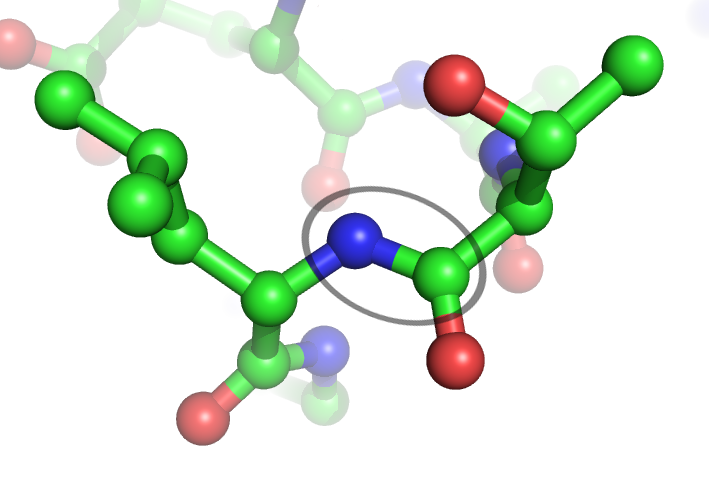
According to recent research, Tesamorelin does not change the level of transaminases such as alanine amino transferase or aspartate amino transferase. The lipid content reduces significantly with an increased level of Tesamorelin, this is mainly because the hormone increases metabolism and this prompts the burning of peripheral fat. C-reactive protein does not change with an increase in the level of the peptide; however, Tesamorelin increases the level of adiponectin as per recent study. Tesamorelin induces the release of growth hormone, which is essential in cell division, development, and maturity. The levels of IGF-1 are increased with an increase in Tesamorelin levels, the elated IGF-1 levels in turn increases the level of glycosylated hemoglobin. Studies reveal that the hypothalamic pituitary axis can be disrupted when the peptide level is high, this can result in glucose intolerance and hypersensitivity to mannitol. Synthetic Tesamorelin has a higher efficacy and potency than the regular growth hormone releasing hormone, this promotes production and secretion of growth hormone releasing hormone. Consequent studies are being conducted on the activity of the hormone on controlled laboratory experiments.
SNAP 8
The anti-wrinkle octapeptide SNAP 8 is n extension of the popular six amino acid peptide Argireline; there are comprehensive studies on the biochemical function of the polypeptide. The biological mechanisms have led to the development of cosmetic products that are geared towards fighting wrinkles. One of the most indicators of ageing is wrinkling of the skin on the face, this occurs in a natural process where collagen production has reduced. Collagen is a protein that is essential in keeping the muscle intact, enhancing its elasticity, when the elasticity is lost the skin begins to form fine lines, and wrinkles appear on the forehead as well as on the neck area. There are different factors that contribute to changes on the elasticity of the skin these include histological, biochemical, and physiological changes which can be aggravated by changes in the environment. The secondary factors that causes skin folds includes furrows in the face, folds on the chin area among other parts, the constant pull of gravity and frequent positional pressure on the skin during repeated facial movements or during sleep causes contraction of the facial muscles.

In any scenario the ultimate physiological pathway and molecular mechanism involved during the process is directly linked to the collagen triple helix, the degradation of elastic molecules and polypeptide chains causes the lipid matrix of the skin to lose tightness. Research has shown that the conformational changes and changes in the perfect matrix cause wrinkling of the skin. Smooth muscle contraction when they receive neurotransmitters is an automated process that is mainly undertaken by SNAp REceptor complex, which is vital for the neurotransmitter release of the synapses. This is a complex molecule that is formed by the proteins syntaxin, VAMP, snap-25. The complex captures the vesicles and combines them with the membrane of the neurotransmitter. SNAP-8 mechanism of action is through mimicry of the natural process of neurotransmitter sequence. It mimics the N-terminal end of the SNAP-25 that is in competition with snap-25 for a position in the SNARE complex. When the SNARE complex is destabilized, because of the competition, the neurotransmitters are not released efficiently and this causes muscle contraction attenuation. The wrinkles, furrows, fine lines cannot be visible when there is significant muscle contraction attenuation.

SNAP-8 is essential in reducing the depth of the wrinkles on the neck and face area, it is one of the best alternatives in the market. Most people use botulinum toxin, however the toxin can be dangerous at times as it may cause allergy or skin sensitivity. One benefit of SNAP-8 is that it can be incorporated in different cosmetics such as gels, emulsions sera among others. The biosynthesized peptide uses the cyclic GMP process in the signal transduction process and in most cases; it is available in powder form. The polymorphism and chemical differences are vital in bringing out the homogeneity and optimal functioning of SNAP-8. The inhibition of the release of the catecholamine is mainly determined by the neurotransmitters noradrenaline, adrenaline, if the chromafflin cells are treated with SNAP 8 the transmission process is halted therefore wrinkles, and fine lines cannot be seen. If interested in conducting medical research, you can buy peptides at American Science Labs.
What is Kratom?
The Mitragyna Speciosa (ketum, kratom, or kratum) is a tropical tree that can either be deciduous or evergreen depending on the environment and climate of the region where it is grown. The tree belongs to the coffee family (Rubiaceae) and can grow to a height of 12-30 feet tall and 15 feet wide. Some species can actually reach 40-70 in height. It is native to Southeast Asia and particularly indigenous to Thailand.
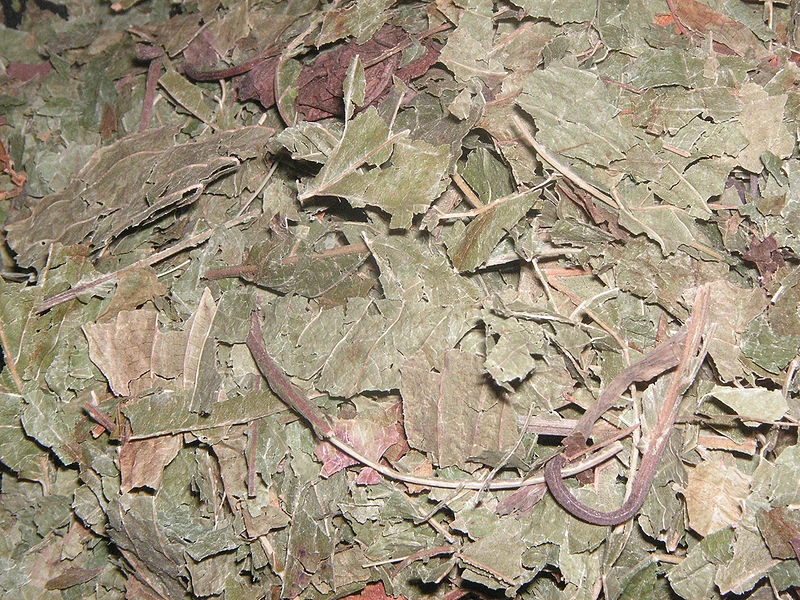
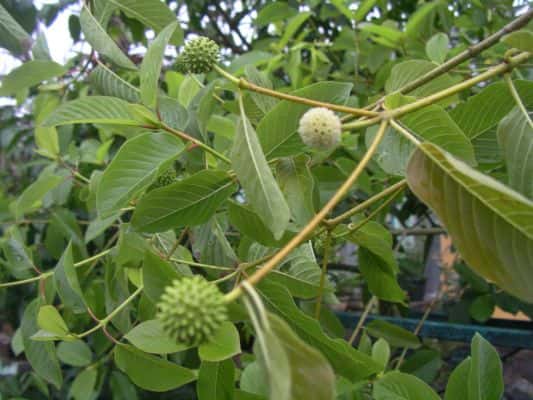
The leaves of kratom are dark green in color and grows to up to 7 inches long and 4 meters wide. They are elliptic, with pointed tips and smaller towards the end of the branches. It is heart-shape and round at the base and the leaf stalk or petiole is between 2-4 centimeters long.There are basically 2 types of kratom: the red vein kratom and the white vein kratom.
History of Kratom
The tree was first formally identified by the Dutch botanist Pieter Korthals (1807-1892). It was named Mitragyna because the stigmas resembled a bishop's mitre. It is botanically related and shares similar biochemistry with the genera Corynanthe and Uncaria..

In Thailand, kratom was a part of traditional culture for thousands of years and is common in traditional cultural performances and in agriculture. Some villagers used it as an ingredient for cooking. In recent times, kratom has become popular for recreational purposes, because of the pleasant effects the leaves of this plant can have. Outside Thailand, very little is known about kratom.
Growing Kratom
Seedlings can be obtained from Sage Wisdom Botanicals. They can be cultivated as house-plants (but will have to be cut back because they can grow quite large). They thrive in a humid environment, dislike cold weather cannot tolerate frost. Potted plants may be grown outdoors in sufficiently warm weather, and grown indoors most of the time. They must be lightly fertilized once every few weeks, but only when growing actively. The plant can be successfully propagated from cuttings.
Young Kratom are sold online and there is a lot of information about its cultivation. Many people, however, experience great difficulty in cultivating Kratom. With the high incidence of failure and high cost of seedlings, the total yield may not be worth your effort in cultivating trees. Even greenhouses experience little results when cultivating this plant. The resulting trees, even if they grow, do not meet the expectations in terms of potency of the material.
Growing your own tree is a convenient and abundant source of fresh leaves, which can be sold to interested buyers in places where it is not illegal.A kratom tree also makes a nice house decorative plant with unique and attractive looking leaves.
Legal Status
Kratom appears to be illegal in Thailand, Myanmar, Malaysia, Burma, Vietnam, Denmark and, most recently, Australia (some of these countries impose severe penalties for possession of this herb). Kratom remains uncontrolled in most of the world,
Possession and use of its leaves were first declared illegal in Thailand and remain until now although there are already talks of possible changes on this issue. The Thai government enacted the Kratom Act 2486, on August 3, 1943, which prohibited the planting of new trees and required cutting down of existing trees. The Thai government also initiated a program to destroy kratom trees by chopping down or burning kratom forests but these eradication campaigns destroy other trees as well as wildlife in rainforests with highly sensitive ecosystems.
Malaysia
Kratom (locally known as 'ketum' which roughly translates as 'Goblin') is banned in Malaysia with a penalty of MYR 10,000 (USD 3,150) or up to four years imprisonment for anybody possessing or selling it.
United States
Kratom is not yet regulated by the US federal government. But on February 28, 2014, the FDA issued guidance that kraton shipments will be seized from several vendors identified due to alleged risk concerns of the product.But since kratom is not included in banned plants list, it is still legal in some states.
Kratom is a potent herb and scientific researches should be made especially on rthe many benefits it can bring not only to mankind but also to the environment, At the same time, more effort should be made by governments around the world to curb any harmful utilization or consumption of this product.
MGF C Terminal
Mechano growth factor is a part of the insulin like growth factor 1 complex that is also referred to as IGF-1 or IGF-1 eb in rodents and IGF-1 Ec humans. The expression of RNA in the muscle tissues when the system responds to damage in muscle tissue or overload on the tissue results in the production of the hormone. The hormone is called MGF C-terminal mainly because the C –terminal of the polypeptide of the MGF is the most important region when the peptide undergoes alternative splicing. The alternative splicing occurs mostly when the reading frame shifts and the specific C-terminal sequence or E- domain, which is encoded by Exon 5 and the initial part of the exon 6. One of the main aspects of MGF is that it has an E domain, this allows it to act on muscles independently from other parts of the molecule. Moreover, MGF C-terminal is able to elicit different effect with MGF accentuating satellite cells, which proliferates and induces differentiation, development, and maturity.

MGF C-terminal has a molecular formula C121H200N42O39 and a molecular mass of 2.889-kilo Daltons. Recent research reveals that MGF plays a crucial role in the physiological functions and the lack of expression of the hormone can cause age related loss of the skeletal muscle functioning. One of the main aspects of MGF C – terminal is ability to be a potent neuroprotective and studies have shown that copies of MFC cDNA, are expressed in plasmid vector which in turn protect the facial neurons when nerve damage occurs. Some of the instances in which this can occur include sarcopenia, and age related conditions, studies reveals that the young populace can respond well to MGF C- terminal however, the hormone is not approved for human consumption because consequent studies and research are still underway. When there is a mechanical overload on the muscular tissue, the IGF-1 is triggered and when the gene is released, the alternative splicing of the MGF occurs at the C-terminal and the alternative splicing produces IGF-1 Ec. The early splicing promotes the stimulation of the satellite cells, the satellite cells through a cascade of reactions activates extra-undamaged nuclei to start the growth of new muscle fiber and tissue.
The appearance of the MGF initiates a positive feedback mechanism, which begins protein synthesis, when IGF is spliced into MGF the production, switches to a systemic release of the IGF-1 Ea from the liver and this up regulates protein biosynthesis. The expression of the hormone helps in healing and regrowth of the myoblasts and repair process, which is essential in producing new muscle fibers and tissue. IGF-1 expression is interrupted by the myocardial physiology, the spliced RNA is vital in preventing myocardial infarction and coronary litigation. The MGF E peptide and IGF-1 action are important in signaling the H9C2 myocardial like cells, which in turn undergoes transcription and translation to generate new myoblasts. Anti IGF-1R is a neutralizing antibody, which blocks the IGF-1 synthesis but fails to block the action of MGF E peptide action.
An Overview of Medical Research and Legal Issues Surrounding Kratom-Mitragyana Speciosa
It is important to note that Kratom which is also known as Mitragyana Speciosa, belongs to coffee family and has naturally grown in Southeast Asia since time immemorial. This tree grows in many parts of this region including countries like Myanmar, Thailand, and Malasia. It also goes by the names Kratum and Ketum, and this is based on specific areas in this region where its found. The leaves of this deciduous tree have been used for medicinal purposes by natives of this region for a relatively long period of time, but in the recent past has found its way across the globe.
A mature tree will have an average height of 12-30ft and a width of 15ft. However, some can grow up to 70-ft in height. Note that while in many cases these trees are evergreen, variable factors like climatic conditions can make them look a little bit different. In a much better environment, the dark-green leaves can grow up to a total length of 7 inches. Kratom contains either red or greenish white veins, which is a unique trait of this plant. The flowers of Mitragyana Speciosa can be as long as 5 cm, but in many cases they average 3 cm. It all depends of the fertility and environment where the tree grows; and of course, variable factors like how it is catered for during the growth period.
Chemistry and chemical composition
There are well over 40 compounds in Mitragyan Speciosa, and 25 alkaloids that have been successfully been isolated from it. In 1921, mitragyinine was successfully separated leading to a breakthrough on the research that was being undertaken. It is one of the most prevalent chemical compounds found in Kratom. In year 2002, a group of motivated Japanese researchers were able to successfully separate hydroxymytraginine, and since then it is the most dominant chemical in the plant known. It also contains epacatechin, which is not only known for reducing pain and preventing development of cancerous cells, but also helps prevents arteries blockage. Epacatechin, has also been known to help regulate blood sugar levels in the body.
There are additional chemical compounds that have been scientifically proven to be contained in this plant. These include; raubasine, Corynantheidine, and also rhynchophylline. There is a significant difference in the percentage of these chemicals especially metragynine, based on where the tree grows. Those that grow naturally in the South East Asia are found to have high levels of the chemical components, compared to those that are grown in the other parts of the world. Overall, research shows that kratom can be used for medicinal purposes or combat signs and symptoms exhibited by persons suffering of different medical complications.
Kratom: Research in Medicine
There are some valuable research reports made by a number of different medical researchers that prove super green malaysian kratom has medicinal chemical components. Based on traditional use of the plant, it is clear that it comes in handy in treatment of signs and symptoms of certain conditions. For instance, it is know to be effective and used as anti-depressant, anti-bacterial, and to counter anti-inflammatory effects. It is also known to have anti-oxidant capabilities, which is vital in combating diarrhea. Note that this plant has been proven to be a reliable pain killer, and for this reason its used in treatment of different maladies and ailments that fall in the same range. It has also been scientifically evaluated and proven to be muscle relaxant that can be used by persons of different age groups. However, research is still ongoing in major learning institutions and research centres to know how best it can be used as medicine.
Current Legal Status
There are many legal issues surrounding the use of Kratom both in US and other countries around the globe. This plant is not regulated by the federal government in the United States; however, and import alert was given by the FDA (Food-and-drug Administration) way back in 2014 banning importation Kratom and related products. Furthermore, individual states within the US have passed bills banning the use of Kratom in one way or another. It is equally important to note that in Thailand, it's illegal to possess the leaves of this plant. Nevertheless, there has been agitation for change of this law but nothing much has been achieved so far. Malaysia, one of the countries that Kratom grow naturally, also has stringent laws that ban the use of Kratom in any form. If found guilty of breaking this law, you will receive heavy fines and even spend some years in prison.
Overall, there has been many debates in different countries concerning legal issues surrounding the use of kratom. However, as many reports on medical research continue to be made public, there might be a change in law that will allow this plant to be used freely. Based on this reason, the use of this plant is projected to gain popularity in the near future.
MGF Mechano Growth Factor
Mechano growth factor or what is popularly known as MGF is a spliced alternative of IGF-1 or insulin like growth factor. The hormone is released in response to damage on muscle tissues, the carbonyl terminal of the polypeptide is the most important region for alternative splicing of the molecule. Alternative splicing occurs when the reading frame shifts where the carbonyl carbon terminal sequence or E-domain is encoded by exon 5 and the initial region of exon 6. One of the most essential aspects of MGF is that the E domain, the polypeptide acts on muscles independently from other molecules, it can elicit various effects such as MGF cell proliferation and induce IGF-1 to induce differentiation. The polypeptide has a molecular formula C121H200N42O39 and a molecular mass of 2.889 kilo Daltons. MGF plays numerous physiological roles, the lack of expression results in age related loss of muscle and skeletal functioning. MGF has the ability to be neuroprotective as studies indicates that it has functional copies of cDNA, which is expressed in the plasmid vector, which in turn protects the facial neurons against nerve damage.
Mechanical overload to the muscles results in the release of IGF-1 gene, which differentially undergoes splicing when the muscles respond to the overload. The gene is spliced to produce IGF-1 Ec, which is a MGF variant, this is a predominant form of the polypeptide, and the initial splicing accentuates the satellite cells to an active state. The activation of satellite cells promotes the undamaged nuclei to begin new fiber and muscle tissue generation, moreover MGF up regulates protein synthesis. After the first splicing of IGF-1 into MGF, the automated response is the initiation of the production and release of IGF-1 Ea from the liver, this also has a positive feedback to protein synthesis. When the IGF-1 Ea is produced the variants expresses themselves and the healing process begins by regrowth of new muscle cells and fibers, which leads to repair and ultimate healing. Insulin like growth factor 1 expression is inhibited by the myocardial physiology and the 2 IGF-1 mRNA splice variants, the expression of IGF-1 gene transcripts is induced by left anterior coronary artery. The signaling cascade is mediated by H9C2, the transcription and translation levels are greatly enhanced by MGF. Specific IGF-1R neutralizing antibodies have no effect on the synthetic MGF but it blocks the activities of IGF-1 and the proliferation of H9C2 cells.

IGF-1 action on the H9C2 cell proliferation is amplified by MGF and the synthetic biopeptide does not stimulate Akt phosphorylation whereas the ERK1 or 2 are activated. The actions of synthetic IGF-1 are mediated through an IGF-1R independent pathway. Recent research indicates that two clones of hybridonoma secrete monoclonal antibodies, which the MGF are developed by cell fusion method. The monoclonal antibodies of the clone has an affinity for the human MGF amino acid peptide and this is absent in IGF-1 which has high affinity binding constant at the variants 87-111. This can be used in the quantification of the MGF that shows optimal potency and effectiveness.
IGF1 LR3
Long R3 IGF-1, Insulin like growth factor -1 Long Arg 3 or simplyIGF-1 LR3 is a peptide hormone that has eighty-three amino acids in its sequence. The peptide amino acids are joined together by complex disulfide and aminde bonds, which make the molecule one of the heaviest hormones with 9.211 Kilo Daltons in molecular mass. IGF-1 is important in stimulating the action of human growth hormone, on the other hand, LR3 is a biosynthetic analog of IGF-1 this is vital in promoting cell proliferation, differentiation, development, and maturity. The LR3 is synthetically manufactured peptide which research shows that it stimulates the deposition of sulfates into the cartilage. Prior to it’s renaming the peptide functioned through serum factor and it is currently called somatomedin. IGF1 LR3 is the primary polypeptide that is mainly involved in the stimulation of the cell in response to the release of growth hormone. The hormone initiates cell division, development, and maturity this is important for growth and development to occur.
There are some somatoropes that have low affinity for the GHRH, these cells can aggravate the release of GH and in turn result in immature development or stunted growth. Muscle growth or what is commonly called hyperplasia is crucial for the ultimate function of the body, studies have shown that the peptide IGF-LR3 increases the cell response to hormone insulin. According to the latest study the peptide is considered by many scientists as the best formula of IGF-1, moreover the peptide has undergone numerous chemical treatments to increase the half-life to one and a half days. Binding proteins are known to inhibit the function of IGF, however with the long R3 IGF-1 the potency and efficacy of the peptide has been enhanced with additional amino acids, which prevents degradation and increases half-life. In the 3rd position, glutamic acid is substituted with arginine and extension of the amino acid sequence is essential in increasing the half-life of the peptide as indicated earlier. Some of the properties of the peptide include increased glucose transport, decreased cell degeneration and amino acid transport to the cells. In some scenarios, the analog can work in synergy with GHRH although it acts on different muscles in unique way.
In some instances, the analog works synergistically with growth hormone releasing hormone. The IGF-1 LR3 works with different muscles differently , in muscles cell associated components are activated , in fat cells it promotes the degradation of fats for energy, in lean tissues it prevents insulin from ferrying glucose to peripheral membranes this in turn accentuates the use of fat for energy.

The generation of new myoblasts is catalyzed by nitrogen retention and increase in protein synthesis. The peptide is responsible for making the muscle fibers stronger and longer while increasing their numbers as well. There are some studies, which show that the IGF can alter the genetic makeup by enhancing cell differentiation. IGF-1 LR 3 is the synthetic version which has ninety three amino acids in the sequence , the polypeptide is important in the regulation of G1-S phase of the cell cycle. Latest studies reveal that IGF-1 LR3 has a positive feedback mechanism on bromodeoxyuridine and this block the activities of P13K and ERK.
Truth and Facts About The Kratom Revealed
There are many indigenous plants that have both economic and social value that are widely grown in the world. One of such kind of plants is Kratom and it has gotten reception in the past in some parts while others have made it illegal. What is this plant all about and how does it look like? The cross-section through its history legality and some facts that is provided below can make it easy to understand the plant.
History of Kratom
Kratom - Mitragyna Speciosa is a plant which has its origins in Thailand. Many people outside this country do not know much about the plant. It is also found in other regions like New Guinea and some parts of Philippines. It falls in the family of the coffee trees and in the modern times the plant is used popularly for recreation.
Some facts about the tree
· It can grow in a range of 4-16 meters of height. The height depends on where the plant grows and the availability of water in hat region.
· It has ovate leaves that are dark green. The leaves can grow in a range of 100-180 mm wide
· The leaves have greenish -white veins or sometimes red but the former color is the most common.
· It produces yellow flowers that can carry up to 120 florets and the fruit capsules of this plant carries many flat seeds.
· Its products are supplied in dried leaves that have been crushed. In some cases Kratom extracts are also available.
· The tree is also cultivated by people in different parts of the regions where it grows like in Thailand.

Current Legal Status
There plant is outlawed in some countries and it is not regulated in others. For instance in Thailand, the plant has been illegalized since 1943 until recently by the government and other bodies. It was however realized that whoever is destroying the plant, destroys also untouchable rainforest plants in the country. At the end of the day, they will come to destroy almost the entire forest cover because Kratom is an indigenous tree.
Other countries like Malaysia, Finland, Denmark and Lithuania have illegalized the possession of this plant. Australia, Burma, Sweden and Myanmar have also set penalties against any possession, growth and usage of the Mitragyna Speciosa.
In USA, the plant itself is not criminalized by the federal state. The food and drug administration however has the authority to seize ships that are suspected to have brought the plant into the country without any physical examination. But possession, growth and usage of Kratom is legal in the states and in many of the European countries.
Scientific Research
Researchers, after long deliberations have come to conclusion that the banning of malaysian kratom in some of the countries is not all about health. They reveal that the major reason is economic and therefore such kind of regulation of the tree is unfounded and summarily unnecessary. It turns out that therefore academics and researchers rule out banning of possession of the plant as good intention. After all, the plant is indigenous and cannot be done away with completely in some of the regions.
Medical Research
Illegality of growth of the plant in some countries has made it very difficult for scientific researchers to conduct medical examinations to determine whether the plant is harmful or not. It is however not clear if the plant possesses medicinal benefits too. The limited medical research that has been conducted reveals that the plant can be used to heal those people with dependence on drugs and therefore making their health better.
The Transnational Institute for example argues that treatment of dependence should be taken as an anchor point to make kratom legal in as many countries as possible. In Thai folk medicine, the leaf of the tree is used in treatment of diarrhea.
Final Words
It is evident that Kratom has medicinal value and can be used by many people in Thai and all parts that can have access to it in the world. The banning of growth and possession of the plant in parts of the world may be standing in the face of scientific and medical research as a barrier. It is not known until when the plant will be illegal but let’s see if it will stand the test of the times.
IGF 1 DES
IGF DES is a polypeptide, which is secreted in the liver, the structure of the polypeptide is composed of sixty-seven amino acids, and it has a molecular weight 0.7371. The structure is highly reactive which means it has muscle building and tissue growth properties. The repair of various chemical complex molecules, some of the names that the peptide is referred to as IGF 1, IGF1, insulin like growth factor 1, and somatomedin C. The primary impetus of the IGF DES is in the ability to accentuate hyperplasia or muscle building which in some cases is also called hypergenesis. In essence, the peptide promotes the cell division, differentiation, development, and maturity to enhance growth, this helps in increase the number of cells in different parts of the body. The polypeptide is initiated when there is trigger to produce new cells and tissues, mostly if there is tissue overload or cell damage. In other cases, the production of IGF DES is initiated when there is need to gain semblance of stabilization or when there is skin loss.
Hyperplasia can be initiated when there is hormonal dysfunction, this in turn causes the proliferation in order to alleviate that could develop when the performance of different tissues. In some instances, the process can be triggered by response to inflammatory condition this can make the body to compensate for the inflammation; the inflammation can cause cell loss. Since research has shown thatIGF DES has the ability to initiate hyperplasia, there are continuing studies, which are geared towards the targeted ability to regulate and control the growth of tissues at cellular level. One of the major aspects is the ability to influence in neurological growth; the peptide can be of use in containing the capacity control and regulate both neuronal structure and functionality. Moreover, studies are underway to determine the ability of IGF DES in maintaining nerve cell function, which is essential in promoting neuroregeneration. This function has been in testing to ascertain if the peptide can be used in treating injuries affecting the central nervous system.

Studies reveal that the ability to promote hyperplasia could be because the peptide can initiate muscle formation through cell division. This can be manipulated to help in dealing with muscular injuries that can be alleviated with the peptide. The cell division process can be centered on areas where new cells are required this could promote quick muscle healing and ability to increase muscle growth. One of the aspects of this feature is to slow down ageing process, since myoblasts play a crucial role in ageing, increasing their count can help in reducing the intensity at which the cells die off. The research reveals that IGF DES can promote the generation of new cells and slow down the degradation of muscle cells while regulating skin elasticity and flexibility. In sports one of the main concern is muscle injury , one of the expected uses of IGF DES is to help in muscle regeneration , this is important in improving recovery time as well as alleviating age related conditions in later stage. However, the peptide has not been approved for use in humans it is still under research.
Hexarelin
Hexarelin or hexarelin acetate as it is commonly known is a synthetic version of the growth factors, which are essential in stimulating the release of growth hormone from the anterior lobe of the pituitary gland. The peptide is composed of six amino acids and it does not interfere with natural production of growth hormone. The conformational structure of hexarelin is similar to that of GHRP-6, however it is quite different from the latter because of its inability to induce an increase in the production of Ghrelin. Ghrelin is a hormone, which responsible for inducing hungers, or enhancing gastric motility, moreover Ghrelin accentuates gastric emptying. Hexarelin contains strong effect and affinity to the anterior lobe cells, which are vital in releasing growth hormone. Recent studies reveal that the hormone can reduce visceral and peripheral fats, however this is still an ongoing research. In a similar fashion to some of the growth hormone releasing peptides hexarelin works synergistically with other hormones such as modified GRF 1-29, Sermorelin and growth hormone releasing hormone peptide 6.
An increase the in the level of growth hormone via hexarelin causes an increase in the levels of insulin like growth factor 1 in the hepatocytes. Insulin like growth factor 1 is essential in the promotion of muscle cell proliferation, development, and maturity. Hexarelin works synergistically with CJC-1295, which has a positive feedback mechanism in the release of growth hormone. GHRH is released in pulses at the anterior lobe of pituitary gland and the pulses alternate with that of somatostatin, somatostatin is an antagonist of GHRH and an increase in its pulse will lead to low levels of GH. Moreover combining hexarelin and with GHRP-6 increases the production of GH and insulin like growth factor 1 while maintaining the serum level of prolactin. Hexarelin is not as potent as CJC-1295, this is mainly because it lacks drug affinity complex , the drug affinity complex is important in increasing the half life of the hormone as well as providing more binding sites for the hormone.

Hexarelin is composed of molecular formula C47H58N12O6 and it has a molecular mass of 0.887 kilo Daltons, some of the common synonyms include examorelin, HEX, and hexarelin acetate. The functionality ofhexarelin is largely elevated by the structure unlike its other group secretagogues like growth hormone releasing peptide 6, hexarelin has tryptophan in place of two methionine amino acids. The substitution of the amino acids increases the half life and potency of the peptide. The half-life of hexarelin is about 75 minutes and it is longer than that of GHRP-6, replacing the natural L-amino acids for D-configuration increases the half-life of the polypeptide. Hexarelin is stimulated after a half an hour and this can also be induced by rapid and constant secretion of growth hormone. The anterior lobe of the pituitary gland is responsible for producing the GH, research reveals that hexarelin can act on both the hypothalamus and the pituitary glands. The mechanism of action is still under research, however it gives high amounts of GH than any other growth hormone releasing peptides.
Kratom & Kratom History
History
Kratom had recently been documented since 2004 and 2005 when it stepped into the spotlight in Western and for medical research on its application in different fields. However, the studies done are still not published. Many countries do not recognize this, and it is mostly illegal. Today, the international legality of is uncertain, although there are many advantages that have been seen. The first mention and documentation of Kratom was in the 19th century by a botanist called Pieter Willem Korthals who documented its use as a substitute for drugs like opium taken in different methods such as chewing and as concoction.
The Active Ingredients

Scientists say that mitragynine accounts for 70% of various active alkaloids in Kratom. There are other minor indole alkaloids that have been identified such as speciogynine, paynantheine, rhynchophylline, and speciociliatine. There is no clinical research that shows that its leaves produce the hallucinogenic effects. However, the animal studies show that interaction with Kratom is not confined to the opiate receptors. There is an element in this herb that is not accounted for which is known to interact with adrenergic and serotonergic systems.
Early Research
The United Nations published an earlier report describing Kratom as having alkaloids. During an experiment on animals, it was found out that its long-term uses on the experimental animals reduced the intake of food and water. In the end, these animals did not develop tolerance to the effects.
Today, there is no open information detailing the Kratom usage in the U.S. This cannot be detected by any present immune screening systems used to test the use in the laboratories. Today, it is not known in the U.S whether mortality or morbidity has resulted from Kratom usage. However, there are extensive materials on the internet showing how people have abused it in different forms.
Considerations
There is little information known about the human pharmacology or the toxicology of this ancient Thai herb. But with people getting to read on internet sites, it can lead to abuse. Various Vitro studies show convincingly that it contains mitragynine and other elements, which have become potent opiate agonist. In fact, this, according to research can produce analgesia. Research has showed that the 7-hydroxymitragynine metabolites are more potent than the morphine.
Medical Research
Kratom has shown that it has a vast medical potential during medical research. It has shown to be a powerful analgesic. According to the Botanical legal defence newsletters, it is argued that the currently reviewed studies on Kratom and the constituent shows that it lacks acute toxicity, shows powerful antioxidant and the antibacterial properties. Clinical statistics shows that this herb can be applied to help in alcohol withdrawals. It is rich in oxindole alkaloid that shows potent modulation properties. It also contains constituents that have shown anti-cancer properties. Doing research on peer-reviewed articles and clinical trials shows the medical potential of Kratom. In short, studies have shown that there are no significant safety issues to the health of human when applied as a medication.
Legality Issue
To many people, Kratom is legal to use, grow and posses in various European Union countries and the U.S.A. For any person who comes across it, they have to take responsibility to check whether it is classified as legal or illegal in their country. From website sources, however, many countries have banned Kratom. These include Denmark, Malaysia, Sweden, Thailand, Burma, Australia, Lithuania, Vietnam, Myanmar, Poland and Finland.
In fact, Kratom was banned in its country of origin. The Thai government banned it first in 1943. Therefore, any person who plants the tree is forced to cut it down. The law was found to be faulty because this tree was one of the indigenous plants in Thailand and can lead to a long jail term when found in possession. With the prohibition in Thailand, it has seen its black market prices jump to an all-time record.
GRF 1 44
Growth hormone releasing hormone, somatoliberin, GRF 1-44, somatocrinin or simply GHRH is a hormone that is responsible for accentuating the release of growth hormone from the anterior lobe of the pituitary gland. GHRH appears in the human hypothalamus during week 18-29 in the gestation period this corresponds to the initial production of GH in the somatotrophs of the fetus. Research studies shows that most speciesGRF 1-44 stimulates the biosynthesis and release of GH from the anterior lobe of the pituitary gland. GRF is synthesized by nerurons, which are located in the arcuate nucleus of hypothalamus. The hormone is thereafter released into the pituitary gland to stimulate the GH where it is released in pulses alongside somatostatin. GHRH stimulates the secretion of GH from the somatotrophs, however endogenous GRF 1-44 has a very short half-life, however it is released from the hypothalamus, and it travels a short distance to the anterior pituitary where it exerts its function.

In contrast, the exogenous peptides that are manufactured synthetically have undergone numerous chemical alterations which increases their half life, bioavailability and mechanism of action through presentation of more binding sites. The synthetic versions can travel long distances without being degraded before reaching the somatotrophs where it activates the release of GH. Recent studies reveal that GRF 1-44 plays a crucial role in promoting slow wave sleep; the GRF 1-44 stimulates GH release by binding to the receptors on the GRFR on the cells. When GHRH binds to GHRHR (growth hormone releasing hormone receptor) it results in an increased production of GH, which a cAMP-dependent pathway, however in some cases it, may pass through phospholipase C pathway among other pathway. The initiation of the cyclic AMP dependent pathway begins with the changes in receptor conformation, which in turn activates G s alpha subunit, which is a G-protein complex. This result in the stimulation of adenylyl cyclase, which is membrane, bound and it results in increased cyclic AMP, which activates PKA allowing the CREB or cyclic AMP response element binding protein. When CREB undergoes phosphorylation, it enhances the transcription of the GH by binding the CREs to the cyclic AMP response elements in the promoter side of the gene.
When the hormone production undergoes the phospholipase C pathway, GRF 1-44 stimulates phospholipase C (PLC) through a beta gamma complex of G-proteins. Activation of PLC results in the production of diacylglycerol (DAG) and inosital triphosphate IP3. Inosital triphosphate stimulates the production of calcium ions from endoplasmic reticulum resulting in vesicle fusion and release of premade growth hormone. When there is an influx of calcium ions, it has a direct action on the cyclic AMP. The activation of GHRHR conveys the opening of sodium ion channels, which causes depolarization, and the resultant change opens up the calcium dependent channel allowing the vesicles to release GH. There are numerous GHRH peptide analogs these include Mod GRF, Sermorelin among others. All the synthetic versions have been altered to increase their activity level, bioavailability and prevent degradation as indicated earlier. Moreover, they are more potent and effective than the endogenously produced hormone. All these synthetic versions are still undergoing research for safety and use, however none has been approved.
Fragment 176 191
Growth hormone peptidefragment 176-191 also popular referred to as HGH frag 176-191 is a modified version of the amino acids from number 176 to 191 in the growth hormone polypeptide. The isolation of these amino acids can be credited to researchers from Monash University, the scientist discovered the main active point of the polypeptide is between the amino acid 176-191, this fragment had the ability to induce lipolysis. The region is less than ten percent of the GH size, moreover the fragment has no effect on insulin resistance or growth. The mechanism of action of the hormone is biomimicry, it mimics the functionality of growth hormone, which is known to regulate fat metabolism, just like GH fragment 176-191 inhibits lipogenesis and promotes lipolysis . The fragment is an analog of growth hormone releasing factor which signal induces the release of growth hormone. The peptide is of the C-terminus where tyrosine is added to the N-terminal, the synthetic hormone reduces adiposity through inhibition o glucose conversion to fat.
The conversion of glucose to fats for storage in the visceral and peripheral organs is inhibited by fragment 176-191 because it blocks the vessel supplying blood to the adipocytes. Research indicates that when the supply of vital nutrients to the adipocytes is inhibited the adipocytes denature and thereafter excreted this constantly leads to loss of mass from the peripheral organs. Within a short period, fragment 176-191 increases serum glucose and plasma insulin, moreover it acts in synergy with fragments 172-191, 178-191, and 177-191. Research shows that the functionality of the polypeptide largely depends on the informational sequence and the peptide should be presented in the right conformation and configuration. The region where the fragment has a high affinity to different kinds of proteases and it is rich in amino acids such as proline. The change in the conformation of the peptide results in cytoplasmic domain band 3 on the erythrocyte membrane protein, which works as a pivot to the two supporting domains.

Moreover recent studies shows that fragment 176-191 has lipolytic activity without a significant influence on the serum glucose, the mode of action is similar to that of growth hormone, and it does not induce hyperglycemia. In addition, fragment 176-191 does not compete for the HGH receptors and this indicates that it can prevent lypodystrophy. The fragment has the ability to induce fat metabolism on the adipose tissue while increasing the level of energy consumption, fat oxidation, enhanced generation of myoblasts and it is five times more effective than the natural human growth hormone. The synergistic action when combined with GHRP and GHRH makes the fragment one of the best peptides in inducing the release of growth hormone from the anterior lobe of pituitary gland. Moreover, fragment 176-191 has no effect on the glucose levels and the functionality of thyroxine as per research. Studies shows that Fragment 176-191 is has a better half life than GHRH and other hexapeptide therefore the efficacy and effectiveness is enhanced than the other secretagogues since the active component of the entire GH chain is mainly located in the 176-191 region of the amino acid chain.
What Is Mitragyna Speciosa?
Kratom is an evergreen tree that belongs to the coffee family and are classified scientifically under angiosperms. It is a tropical deciduous tree. The word "Kratom" refers to a group of plants that belong to the "Mitragyna" genus. The trees can grow till heights up to 30 feet (about 9.1 meters). They have been described to have many medicinal benefits. The leaves of the tree grow as long as 7 inches, having a typical dark greenish color growing in clusters and are heart shaped. The flowers are yellow in color. The tree is native to the south-east Asian countries including Malaysia, Papua New Guinea and is indigenous to Thailand. Kratom is available in various forms like powdered, dried or fresh leaves. Not much was known about the tree outside Thailand. But now, it has gained significant importance in the field of medicine worldwide including the West.
A BRIEF HISTORY
Kratom has been used as a traditional medicine by the Thai people for treating diarrhea since centuries. The tree was first described in the 19th century by a Dutch botanist Pieter Korthals, and was named "Mitragyna" by him owing to the shape of the stigmas resembling a bishop's miter. E. M Holmes further named the plant as Mitragyna speciosa in the year 1895. The plant has been grown extensively in south-east Asian countries, and not in any other region in the world. The tree is also known to have mood enhancing properties.
CURRENT LEGAL STATUS
Kratom is still sold extensively online by several vendors safely worldwide despite bans in several countries. Thailand has banned the use of Kratom and made the possession of its leaves illegal after passing the Khartom Act with effect from 3rd August, 1943. This led to cutting down of any existing trees in the country due to the Act passed by the government, declaring it as illegal. It has been said that Kratom was banned for economic reasons and not for medical or health reasons. Many taxation issues have been associated with Kratom which is the reason to be believed for the ban.
Malaysia also prohibits the use of Kratom, that is locally known as "ketum". The possession is punishable under Section 30 (3) of the Poisons Act, 1952. Australia has also made it illegal to possess any form of Kratom leaves or tree. Another country in Asia is Myanmar that has banned the possession of Kratom in any form.
In the United States of America, the use of kratom bali is legal in several states, but some states have already made it illegal. Use of Kratom is legal in most states in the US except Tennessee, Indiana, Arizona, Louisiana, Wisconsin and Vermont as of 2015. These states prohibit use of any form of the Kratom tree or possession and is punishable by law.
Other countries permit controlled use of the Kratom tree. These countries include Finland, Denmark, New Zealand, Romania and Germany. Rest of the countries in the world have the use legal as of now (2015).

SCIENTIFIC AND MEDICAL RESEARCH
According to research, it has been found that there are more than 40 compounds found in the leaves of the Kratom tree. The compounds include several types of alkaloids like mitraphylline and mitragynine, and also good amount of anti-cancer properties. It is found that the content of such alkaloids depend on the height and location of the trees. The leaves have known to have good antibacterial and antioxidant properties. In August 2004, a research was conducted to test the long term effects of Kratom on rats. It was found that water and food intake of rats reduced significantly. Anti-depressant properties were noted in mitragynine after extensive research in 2004.
The use of Kratom has been linked to treating many stomach ailments like diarrhea. When tested on animals, it was found that the plant has analgesic properties and can alleviate chronic pain.
Some of the major compounds found in the leaves of Kratom are:
1. Speciocilliatine
2. 7-Hydroxymitragynine
3. Paynantheine
4. Speciogynine
5. Mitragynine
Kratom has also gained tremendous popularity in the cyberspace. According to an internet survey conducted in February 2012, the keyword "Kratom" searched on the Google search engine yielded more than 2 million results. This highlights the overall utility of the plant in terms of uses in medical and research fields. This raises the question whether it is justified to have such a magnificent plant banned or declared illegal, despite having multiple health benefits. Political and economical issues have suppressed the wonders that this tree can do to the world and its impact in the field of health and medicine.
AOD9604
Lipotropin is a hormone that is secreted when POMC or pro-opiomelanocortin undergoes cleaving at the anterior lobe of the pituitary gland. The cleavage of the hormone releases two forms ACTH or adrenocorticotropin and beta-lipotropin. Beta lipotropin consists of ninety amino acids and it forms the carbonyl carbon in the pro-opiomelanocortin fragment. The peptide is vital because it stimulates the secrete of melanin from melanocytes, some of the hormones that are possible fragment of the beta lipotropin include beta endorphin, gamma endorphin, alpha MSH, metenkephalin and alpha endorphin. Beta lipotropin mobilizes lipids, this is mainly through lipolysis, and steroidogenesis, the synthetic version of the hormone isAOD9604.

AOD9604 is a polypeptide fragment of human growth hormone from the amino acid number 177 to 191 (177-191) of the C terminal thereafter tyrosine is added to the N-terminal. Research shows that AOD9604 has a higher efficacy and potency than HGH because it has the ability to stimulate anti-lipogenic activity and lipolysis or fat burning. Just like human growth hormone, AOD9604 promotes lipolysis and inhibits lipogenesis, which is the transfer of excess energy or glucose to the peripheral and abdominal organs therefore increasing weight gain. The peptide has a molecular formula C78H123N23O23S2 and a molecular mass of 1.82-kilo Daltons. Some of the synonyms include 221231-10-3, AOD9604 and HGH Fragment 177-191. The synthetic development of the polypeptide is credited to Monash University, the researchers were investigating the fat reduction abilities of GH, and they came up with a conclusion that it is regulated by a tiny region near one end of the growth hormone molecule.
The region discovered was 177-191 of the amino acid sequence, which was less than ten percent of the cumulative size of growth hormone molecule. The polypeptide has no effect on insulin resistance, growth and development, the mechanism of action is through biomimicry of the growth hormone functions. Growth hormone is essential in the regulation of metabolism and has no adverse effects on blood glucose level. Human growth hormone is vital in alleviating peripheral and abdominal fat this is by inhibiting the blood supply to the adipocytes; the reduction in blood supply to the fat cells accentuates cell death. When cell death is initiated waste products are deposited on the adipocytes, this prompts the system to excrete by promoting burning of fats in the cells therefore reduction in mass and volume.

Moreover, AOD9604 promotes fat burning process without affecting the intake of the food, moreover it does not induce growth like IGF-1. The segment of the synthetic polypeptide is still under research for in vitro and in vivo laboratory tests to determine its effectiveness and efficacy in lipolysis. Studies show that AOD9604 reduces the production of insulin, however the functionality of the peptide largely depends on the information sequence. AOD9604 is the region of high accessibility to proteases and is rich in amino acid proline, this affects the conformational change in the cytoplasmic domain of band 3 and pivots two domains. Research shows that ACTH 1-24 has an adverse effect on the level of cyclic AMP, the level of cAMP is independent of the production of angiotensin II and aldosterone.
A Closer Look at Sermorelin
An important growth releasing hormone found in humans, Sermorelin is sometimes referred to as GRF 129. It belongs to a functional peptide chain that contains 29 different kinds of amino acids, and was developed way back in the 1970s. Sermorelin results in natural, positive growth as it acts on the pituitary gland to affect the enhanced secretion of certain growth hormones (HGH). In clinical studies, sermorelin is also being used for treating serious growth hormone deficiency in younger children, along with experiments related to anti-aging purposes in adults.
Sermorelin What is It?
In general, by the time humans reach the age of 22-24, there exists a drastic reduction in the natural production of growth hormones in their body. As they reach their 40’s, they receive a mere 40 percent of the total quantum of HGH produced at age 20. In comparison to HGH, which can be more than 50-60 percent costlier than sermorelin, the latter is now being recommended for the reduction of fat accumulation in the body and for attaining the right gain in lean muscle mass. Additional levels of HGH in the body help in bringing about these effects in a large way. According to experts indulging in clinical research and studies, Sermorelin is administered through a subcutaneous injection, directly under the top layer of the skin.
Administering Sermorelin the Right Way
Pathologists and researchers mix sermorelin with appropriate quantities of a saline solution. Then, they aim the syringe that contains the solution (saline) against the interior walls of the vial; thereby injecting the solution slowly, so that it starts running down the sides of the vial into the powder (medication). It is incorrect to inject the solution into the medication directly as the act renders the powder ineffective. It is essential to keep on swirling the mixture until the medication dissolves completely. The dosage of sermorelin is set in accordance to the user’s medical condition, weight, and response to therapy
Side Effects of Sermorelin
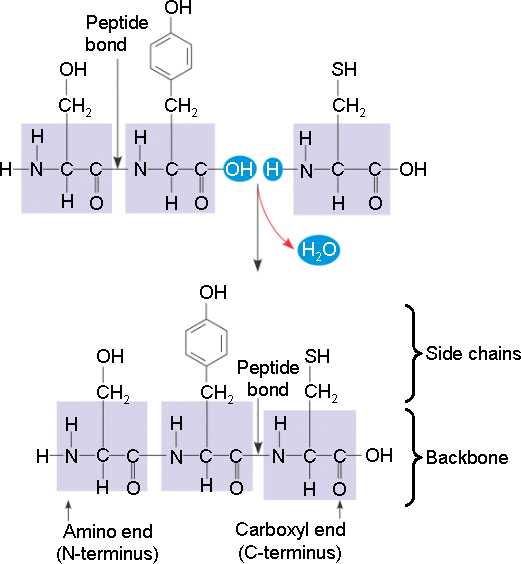
Sermorelin may cause swelling, pain and redness to the areas where it is injected. The other side effects of this growth inducing peptide include vomiting, tightness in the thoracic region, headache, flushing, hyperactivity, trouble in swallowing, and so forth. Though any allergic reactions are infrequent with sermorelin, itching, swelling, dizziness, and rashes may act as concerns for certain users.
Precaution is Better than Cure
Sermorelin is not recommended for those clinical users who have been diagnosed with brain disorders (lesions), thyroid problems (hypothyroidism), or any kind of allergies. In most cases, it is not administered to pregnant individuals or those breastfeeding their young ones; this is due to the drug mixing with the blood and passing into the milk to affect the infant’s health adversely. Additionally, those on prescription/ nonprescription medication like thyroid medications (levothyroxine), corticosteroids (prednisone), alkaline phosphatase, and inorganic phosphorus are best avoided for these lab tests.
Storage of Sermorelin
In laboratories and other research centers, Sermorelin is stored in the form of dry powder vials, in a refrigerator at 36-46 degrees F (2-8 degrees C).After being mixed; the medication solution has to be used immediately, while any unused portion has to be discarded.
CJC-1295

Mod GRF 1-29 also known as modified GRF 1-29 or what is now common as CJC-1295 without DAC, is a tetra-substituted hormone, which belongs to human growth hormones secretagogues. The nomenclature of this particular substance should be understood before delving into further concepts, mechanism of action and its effectiveness. The name mod GRF 1-29 was derived from the researcher who coined the term from his publicized journals and readers easily adopted the name. Growth hormone releasing hormone is a peptide that is secreted endogenously and works by eliciting the production of growth hormone. Therefore, mod GRF 1-29 is a second-generation derivative of the GHRH. GHRH was accentuated to create growth hormone releasing factor 1-29 or GRF 1-29. GRF 1-29 was further modified through consequent research and trials to create what is now known as Mod GRF 1-29, GRF 1-29 is also known as Sermorelin , however it is scientifically called CJC-1295 without DAC. The CJC-1295 without DAC was modified to create the modern analog CJC01295 with DAC, DAC refers to drug affinity complex, this is a modification added to the peptide to extend its potency and half-life.
The hormone CJC -1295 was first manufactured in Canada in the year 2005, it is also called protein hormone and is made up of 29 amino acids. The GHRH analogue acts on the receptors on the anterior lobe of the pituitary gland to stimulate the production and release of human growth hormone. The main function of the protein hormone is largely dependent on the structure and proteins have three common structural types. the primary , secondary and tertiary structures, the primary protein structure is a linear molecule of amino acids , the secondary structure is a folded amino acid chain , while the tertiary structure is a complex folded linked with complex bonds to create an impression of tangled yarn. On the other hand, quaternary structure is many tertiary proteins linked together, the structure of the protein plays a crucial role in overall functionality of the hormone. The affinity of binding determines the effectiveness and potency of the hormone on the receptors, the stronger the binding affinity the stronger the bond and vice versa.
Hormones such as growth hormone, luteinizing hormone, insulin, CJC-1295 acts on the receptor ligand to induce hormonal secretion. GHRH is a hormone secreted by the pituitary gland, the hormone is made up of 44 amino acids, and however the main functional part is the first 29 amino acids. The 29 amino acids were isolated and this led to the production of GRF 1-29, however studies indicate that the hormone can be rapidly metabolized and renal clearance is high. Researchers had to come up with a better analog, this was done through the replacement of various amino acids in the peptide chain. The modified version was at the amino acid number 2, 8, 15, and 27; this resulted in an extended half-life and a more potent CJC-1295. CJC-1295 acts on the anterior lobe of the pituitary gland to increase the production of growth hormone.
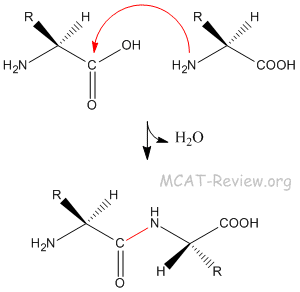
The hormone is produced in a pulsatile manner, somatostatin is known to be an antagonist of growth hormone, and however CJC-1295 suppresses its activity and promotes the increased production of the hormone. Somatostatin and growth hormone are produced in the same neuron therefore the main reason why it is produced in pulses. CJC-1295 works synergistically with Ghrelin, GHRP 2, Ipamorelin, and GHRP-6 to amplify the release of HGH from the anterior lobe of the pituitary gland.
GHRP-2
GHRP-2 also known as KP 102 is a synthetic engineered amino acid peptide with six amino acids in the sequence, it is an analog of growth hormone releasing peptide which is known to stimulate the pituitary and hypothalamus to produce and secrete growth with a minute effect on prolactin, cortisol and ACTH levels . GHRP-2 is a true HGH secretagogues because it stimulates the natural production of the GH from the anterior lobe of the pituitary gland. Moreover, studies indicate that the hormone has catabolic properties therefore preventing the deposit of excess fat on the peripheral organs. The half-life of the hormone is between 15-60 minutes, it has a molecular mass of 0.8179 kilo Daltons and amino acid sequence, which include H-D-Ala-D-2-Nal-Ala-Trp-D-Phe-Lys-NH2. GHRP-2 is not related to other growth hormone releasing hormones such as CJC-1295 and Sermorelin because the receptors that the hormone binds to are very different from those of the peptide. However, research has shown that its activity is enhanced synergistically by CJC-1295 DAC and modified GRF 1-29.
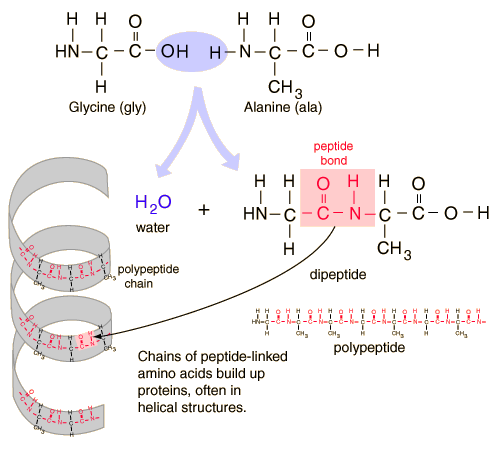
In a natural setting GHRP-2 peptide, sequence interacts with Ghrelin a hormone that is known to induce a feeling of hunger and quick gastric emptying. However, the effects of GHRP-2 are similar to that of GHRP-6, which is a more potent, and effective analog that accentuate the release of GH from the anterior lobe of the pituitary gland. GHRP-6 has little or no on the plasma levels of PRL, cortisol and ACTH; however, the hormone promotes the production of Ghrelin. The response of a natural system to an increase level of GHRP-2 is to increase the levels of calcium ions and increased pulses from the cells secreting GH. GHRP-2 is the second generation of GHRPs behind GHRP-6, moreover the hormone is more effective than GHRP-6 because the stimulation period is longer than and it maintains a maximum level of the hormone in the plasma. GHRP-2 has shown ability to increase the levels of insulin growth factor 1 or IGF-1 and when in conjunction with GHRH the levels of IGF-1 are highly elevated. There is a high amplitude pulsation from the GHRP-2 and somatoropes to release GH.
Ghrelin and GHRP-2 increase the number of somatoropes by inhibiting the production of somatostatin; somatostatin is antagonist that reduces the pulsating release of GH. GHRP-2 is not lipogenic and it does not induce storage of fat on the peripheral organs, although it works synergistically with Ghrelin, it does not cause a significant increase in appetite. In the early 90s the hormone was studied extensively for its use as a growth hormone secretatogogue, this led to a discovery that GHRP-2 increases the natural production of GH. Moreover, the effects of the hormone are seen best when there is conjunction with ipamorelin and GHRP-6. Although different somatotropin cells respond differently to the production of GH and different sub types of GHRP, the levels of GH can be increased by inhibiting somatostatin. The actions of GHRP-2 are reduced by GRF receptors antagonist, which act on different receptors. An increased level of GHRP-2 will increasing the pulsating motion of the cells producing GH and reduce somatostatin pulses while increasing the production of GH.
Growth Hormone Releasing Hexapeptide
GHRP-6 is popularly known as growth hormone releasing hormone hexapeptide, it is a synthetic of the metenkephalin analogs, which includes un-natural D- amino acids and it was produced to promote the production of growth hormone. Unlike other GHRPs, growth hormone releasing hormone hexapeptide does not possess opiod activity but it is a potent simulator in the release of GH. The secretagogues is totally different from growth hormone releasing hormone or GHRH in that they do not share any amino acid sequence and the functionality of the hormone is largely dependent on the action on different receptors. GHRP-6 Peptide has a molecular mass of 0.873 kilo Daltons and the amino acid sequence include histidine – D (Trp)-Ala-Trp-D (Phe)-Lys-NH2. The natural GHRH was discovered in the year 1982, after thorough research from scientists from different quotas. After the discovery of GHRH, other analogs such as GHRP-2 and GHRP-6 were soon synthesized to help in the secretion of GH. The mode of action of GH and its receptor ligand were studied before identifying the most potent analog of the structure.
Research shows that GH-releasing peptides act synergistically with natural GHRH and Sermorelin, to produce an increased level of GH. In the early 80s the first produced secretagogues was GHRP-6 and because of its high potency, efficacy and effectiveness it became a member of growth hormone secretagogues. The L form of lysine is utilized because the D form of the amino acid is not available in nature, GHRP-6 consists of different amino acids in different isomeric forms. The sequence induces signal transduction, which in turn stimulates the anterior lobe of the pituitary gland to produce GH. Moreover, the signaling cascade leads to the blockage of somatostatin, somatostatin is an antagonist of GH because they are produced in the same neuron in pulses. A combination of GHRP-2 and CJC-1295 acts synergistically in stimulating the hypothalamus and pituitary gland to release growth hormone, the cells are dependent on the concentration of the hormone. The main target of GHRP-6 according to studies is the hypothalamus, when the hormone is in high amounts somatostatin is deactivated and GRF neurons activated this in turn induces the release of GH from the somatoropes.
The activity of GHRP-6 is similar to that of hexarelin and when both hormones are combined the amplitude pulse per somatorope increases drastically. GHRPs are not just surrogates of GHRH, however GHRP-6 is an artificially engineered activator of a newly discovered growth hormone secretagogues receptor or GHS-R. Ghrelin is an endogenous ligand, which binds to the GHS-R, both Ghrelin and GHrp-6 is synthetic compounds that are geared towards improving the pulsatile release of GH. A major effect of GHRP-6 is the increase in the plasma levels of Ghrelin this in turn promotes hungers and increases appetite as per recent scientific journals. GHRP-6 stimulates the anterior lobe of the pituitary gland to increase the pulses of GH release; in addition, the growth hormone causes the liver to secrete insulin like growth factor 1 or IGF-1, which is popularly known for inhibiting peripheral fat absorption and muscle mass. In cases where growth hormone level is beyond the required amount, GHRP-6 can accentuate its release.
Melanotan (MT) and Melanotan II: Side effects and Properties
As more research and studies are being done to understand the nature and side-effects of Melanotan II (MT-II) and Melanotan (MT), which are both analogs of alpha-melanocyte stimulating hormones (a-MSH), it is now becoming evident that they do much more than bringing about the desired pigmentation in skin and hair. Produced internally by the pituitary gland in humans, these peptides, in association with other melanocortins, are active in supporting different internal human functions like appetite, libido as well as physical sexual arousal. Melanotan II (MT-II) is mainly responsible for enhancing libido and other sexual functions. Here, we take a quick look at some essential properties depicted by these hormones, along with their side effects.
Melanotan Impact through Clinic Studies
At present, the analogs developed with MT and MT-II as their base are going through a series of chemical trials. In the 1980s, the University of Arizona was accredited with the cause of developing these synthetic variants of α-MSH. Once Melanotan and Melanotan II reached the market, they impacted the target audience of those possessing adverse reactions to UV exposure in positive ways. These individuals included people with Actinic Keratosis (AKs/solar keratosis) or Polymorphous Light eruption (PLE/PMLE), where the layers of the skin had become intolerant to UV and are were characterized by skin lesions/growths, lumps, itching, severe sores, or burning sensations. As per studies, these individuals portrayed negative melanocyte receptor binding and were not generally deficient in α-MSH. So, in their case, the mere act of increasing the circulatory levels of a-MSH/ its analogs proved to be a futile cause.
How Melanotan Works?
When prompted by exposure to ultraviolet (UV) rays, the natural release of α-MSH consequently stimulates the production of melanin. Melanin exists in the melanocytes situated within the skin. Typically, melanin is a brown colored pigment thats responsible for making the skin appear darker than before. A higher level of pigmentation is caused by the presence of more a-MSH, which effectively means greater levels of melanin. These drugs are being used in research laboratories to enhance the aesthetics those who desire darker skin to accentuate their muscularity, in more ways than one.
In case of Melanotan and Melanotan II alike, usage in clinical settings have proved that the degree of pigmentation in the skin can be increased without any over-exposure to UV. This has also been anecdotally proven by users who report adequate darkening in those unexposed areas of the skin that seldom come under the influence of daylight. But then, as the processes of making the skin appear darker are naturally expedited by exposure to UV, the effects caused by these peptides may not be uniform in all areas of the body. While most users may notice differences in skin color on their arms, abdominal region, and face, interestingly, their genitals end up receiving the highest concentrations of the same; thereby enabling these specific particular areas to react to peptides, in association with UV exposure, in better ways.
Side Effects of Melanotan
Some of the known side effects of Melanotan and Melanotan II include nausea, skin pigmentation, facial flushing, appetite suppression, headache, dizziness, lethargy and itching.
Melanotan 2
Melanotan II or Melanotan 2 as it is widely known is a synthetic produced alternative of a peptide hormone that is naturally produced in the body to induce melanogenesis a process that is vital for skin pigmentation to occur. The amino acid polypeptide is referred to as alpha melanocyte stimulating hormone or α-MSH. Alpha MSH stimulates specific melanocortin receptors and in the process exerting its effects, studies suggests that Melanotan 2 has numerous properties such as appetite suppressant, libido enhancing and lipolytic abilities apart from inducing melanogenesis. Consequent research is being undertaken to determine if the hormone can help in the prevention of harmful effect of ultra violet radiation. Other variants of the hormone PT-141 have been studied for their potential to act as a remedy to sexual dysfunction especially erectile dysfunction. Melanotan 2 has a molecular mass of 1.02418 kilo Daltons and an amino acid sequence, which includes Ac-Nle-cyclo [Asp-His-D-Phe-Arg-Trp-Lys]-NH2.

The first production of a synthetic Melanotan 2 is credited to the University of Arizona, the scientists in the university were conducting a research aimed at the developing defense against skin cancer. Focus was shifted on the development of a method, which stimulates natural melanogenesis process without a direct exposure to the sun’s ultraviolet radiation. Initially the researchers tried to administer the natural alpha MSH to elicit the desired result; this however gave inconclusive results because the hormone had a short half-life and could not bring the required result. This prompted the scientists to come up with different ideas on finding realistic therapeutic remedy , this led to the development of Melanotan or Melanotan 1 and thereafter Melanotan 2 which had rigorous effects and extended half life. Melanotan II and Melanotan I are homologous molecules of the peptide hormone MSH that is known to induce skin pigmentation. On the contrary, Melanotan II has additional effects of increasing libido and possesses aphrodisiac properties,it is a cyclic peptide and has benzene ring as indicated in the amino acid sequence.
According to research, Melanotan 2 increases the available oxygen in the cells and studies suggest that Melanotan 2 reduces the levels of acetylcholine, carboxylase expression, and the prevention in the reduction of palmitoltransferase I and carnitine messenger RNA in the muscle cells. Studies show that the hormone can increase cholesterol metabolism and fat catabolism. Alpha MSH is important in stimulating melanocyte to produce hormones, which stimulate melanogenesis, feeding behavior, sexual activity, and energy homeostasis. Alpha MSH is non-selective agonists of the melanocortin receptors MC5, MC4, MC3, and MC1, on the other hand, Melanotan I and Melanotan II activates MC1 receptors that are essential for skin pigmentation. PT-141 and Melanotan II stimulates MC4 and MC 3 receptors that are responsible for metabolism, sexual behavior, and the regulation of appetite. On the contrary, PT-141 bremelanotide has no effect on the MC 1 receptors. Synthetic analogs of alpha MSH especially melanotan 1 and melanotan 2 have been investigated for their photo protective effects against harmful ultraviolet radiation from the sun. all the peptides show a higher potency and effectiveness in research and with further studies better analogs maybe developed to combat the problem.
Oxytocin - The 'Love Hormone'
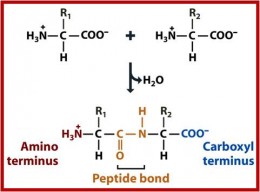
Oxytocin is sometimes called the 'love hormone' because of its effects on emotion. Scientific research has shown that oxytocin has the ability to modulate social behaviour and bonding between couples, as well as contributing to trust, relaxation and psychological stability.
Oxytocin is created in the hypothalamus inthe brain and is then transported to the pituitary gland which secretes it. Biologically, it is a neuropeptide and chemically it is a nonapeptide as it contains nine amino acids. It acts not just as a hormone but also as a brain neurotransmitter. Along with vasopressin, it is the only hormone known to be released by the pituitary gland in this way. However, oxytocin neurons also create other peptides such as dynorphin and corticotropin-releasing hormone.
Scientifically, oxytocin's formula is NH2, or CYIQNCPLG-NH2) and is 1007 daltons in terms of molecular mass. An international unit of oxytocin is equivalent to approximately 2 micrograms of pure peptide. Its structure is very conserved in mammals generally but an unusual structure was recently found in tamarins, marmosets and other primates. There has been genome sequencing of the oxytocin gene which showed a mutation which causes a single amino acid substitution of proline for leucine. Oxytocin's biologically active form can also be known as octapeptide "oxytocin disulfide", but also exists as a reduced dithiol nonapeptide - oxytoceine.
As well as the 'cuddle chemical' effect, oxytocin is known to regulate two of the female reproductive functions; childbirth and breast feeding. The release of the hormone during labour encourages the contraction of the muscles in the uterus and womb.
In terms of social effects, it is suggested that the way oxytocin affects the brain is due to its interactions with testosterone and estrogen, but learning more can be complex as there can be genetic differences in the oxytocin receptor gene (OXTR) which has been associated with negative social traits such as aggression. It has also been suggested that oxytocin produces fear responses which could have once had an evolutionary use in assisting humans to avoid certain situations and also encourage more in-group solidarity along with more aversion to people from other 'groups' - something which might go some way towards explaining our social behaviour today.
Scientists are continually testing the effects of oxytocin and researchers at Bonn University Medical Center, Germany, recently found that oxytocin strengthens monogamy by stimulating the reward center of the brain, showing that its effects are actually very similar to a drug. Leading on from this, lack of oxytocin secretion could contribute to people falling into depression after being separated from a long-term partner, as it only seems to work for loving couples - familiarity or friendship doesn't seem to be enough to trigger production of oxytocin. However, this research was primarily conducted on males, and the results found in females often indicated an opposite behavioral effect and were not reported, serving to illustrate that this neuropeptide is still not fully understood and would benefit from further research. Studies are being undertaken regularly and it was in fact only ten years ago that the brain's oxytocin receptors were discovered at all, so the coming months and years will no doubt reveal more about the enigmatic neuropeptide that is oxytocin.
Triptorelin (GnRH)
Triptorelin is a ten amino acid peptide and a gonadotropin releasing hormone agonist, the peptide has amino acid sequence, which includes pGlu-His-Trp-Ser-Tyr-D-Trp-Leu-Arg-Pro-Gly-NH2). Research shows that triptorelin increases the level of testosterone through a constant stimulation of the anterior lobe of the hypothalamic gland. The hormone works by countering the effects of follicle stimulating hormone or FSH and luteinizing hormone or LH. Research is being conducted on the possibilities of using the hormone to treat hormone responsive cancers such as breast cancer, prostate cancer, precocious puberty, estrogen dependent conditions such as uterine fibroids and assisted reproduction. Follicle stimulating hormone is responsible for regulation of sexual reproduction, FSH plays a vital role in stimulating the germ cells, and the stimulated germ cells mature and develop to become either eggs in females or sperm in males. When the pituitary gland is stimulated to produce FHS as a section to Gonadotropin releasing hormone, FSH will initiate sperm production in males.

Gonadotropin releasing hormone is produced in pulses therefore, it is important that the levels of Triptorelin should be kept high throughout so as to counter the effects of LH and FSH. The hypothalamo-pituitary gonadal axis or HPG mediates one of the most essential aspects in the biological functions of life, this is the ability to reproduce. After a short period of activity at birth the by hypothalamic secretion of GnRH remains on a transient state throughout the juvenile period before it is reactivated again during puberty. The actual trigger that restarted the HPG axis is not yet known, however research indicates that the interaction between G-protein coupled receptor -54 or GPR54 and kisspeptins reactivate the secretion of Gonadotropin releasing hormone at the onset of puberty. Kisspeptins are classified under a family of arginine – phenylalanine RF amide peptide hormones that are coded by the KiSS-1 gene, this binds to GPR54. Members of the kisseptin family are named according to the constituent number of amino acids from kisseptin 10, 13, 14, and 54. All the kisspeptins share the carboxyl terminal of the decapeptide for its biochemical activity.
Research conducted for twenty years now indicated that kisspeptins have anti-metastatic activity and this can be vital in alleviating melanoma and prostate cancers. GnRH is the best Gonadotropin secretagogues in humans and triptorelin shows to increase the secretion of the hormone from the hypothalamus. Kisseptin 54 has similar activity to triptorelin and GnRH in the stimulation of the HPG axis. Although GnRH is not directly responsible for male sexual characteristics, it is important because it helps in the secretion of LH and FSH.
FSH is produced in the anterior lobe of the pituitary gland and as indicated earlier its main function is to promote germ cells production, proliferation, and maturity. FSH is produced when triptorelin acts on the anterior lobe of the pituitary gland to promote the secretion of GnRH. LH causes the interstitial cells of the testes to produce testosterone and ovulation process in females. Inhibin is a hormone produced by testicular cells, it is an antagonist of GnRH, and therefore triptorelin accentuates the production of more GnRH reducing the plasma levels of inhibin.
Understanding Ipamorelin
Ipamorelin is a five amino acid peptide that is synthetically produced and has powerful properties of releasing growth hormone just like GHRP-6. The amino acid sequence is quite short and this makes the hormone the most effective, the hormone has a molecular weight of 0.71186 kilo Daltons and it is classified under the GHRPs because of its ability to stimulate the secretion of growth hormone. Like its counterparts GHRP-2 and GHRP-6, ipamorelin accentuates the production and secretion of growth hormone from the anterior lobe of the pituitary gland. Ipamorelin was discovered in the early 1990s and since then the hormone has been undergoing research on its activities in the somatoropes, which are cells that secrete growth hormone. It is the third generation of the GHRPs after GHRP, GHRP-2, and GHRP-6, the hormone possesses similar characteristics to GHRP-2, and it does not have lipogenic properties or promote hunger. Ipamorelin works synergistically with modified GRF 1-29 and Sermorelin. The hormones synergistically suppress the action of somatostatin a hormone that is known to inhibit the production of growth hormone. The hormone causes an increase in the number of somatoropes and ipamorelin increases the volume of GH produced per cell.
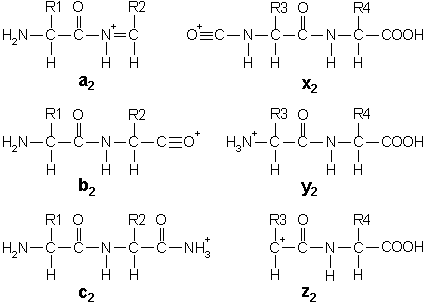
GHRP-6 has the same properties with ipamorelin because they both release GH at the same intensity and amount. GHRP-6 and GHRP-2 are known to induce an increased level of cortisol and prolactin in the plasma, on the other hand, ipamorelin has the similar characteristics with hexarelin because they are the most stable form of Ghrelin and have an extended half life. Moreover, ipamorelin does not cause any significant effect on the levels of insulin like growth factor 1 or IGF-1. Ipamorelin has the ability to increase the levels of acetylcholine in the system, acetylcholine is an important component in cell to cell communication, and the hormone binds to cell receptors and induces the growth hormone to bind to the ligand. Research indicates that ipamorelin mechanism of action is via the activation of specific G-protein secretagogues, this increases gastric motility. The hormone targets GH receptors on the anterior lobe of the pituitary glands and does not cause any significant effect on LH, FSH, PRL, or TSH levels in the plasma.
The growth hormone releasing peptide receptor is referred to as GRLN and it activates tiny compounds on the pituitary gland to release growth hormone. Ipamorelin acts on the same receptor to release growth hormone, the hormone is essential in cell division, cell proliferation and the differentiation of cells to maturity. Cell division and development process is important in growth, development, the potency of ipamorelin can be compared to that of GHRP-2, and the only antagonist is d-Lys3-GHRP-6, the antagonist works by denaturing the receptor sites causing the hormone to miss binding to the ligand. Lack of binding results in low production of the growth hormone and these effects are independent of GH stimulation by neuropeptides Y that regulates the body homeostasis. Ipamorelin and endogenous Ghrelin have a high affinity for the GRLN receptors therefore can penetrate through cells quickly to accentuate the production of GH.

What are Peptides
A peptide is simply a molecule comprising of two or more amino acids. But unlike proteins, which also consist of a chain of amino acids, peptides are so infinitesimal in size.
Depending with the number of amino acids making the molecule, peptides can be divided into dipeptides, tripeptides, tetrapeptides, and so on. While dipeptides consist of two amino acids chained together by one amide bond, tripeptides consist of three amino acids hinged together by two amide bonds.
The drawing line between proteins and peptides is 50 amino acids. Simply put, any amino acids linkage featuring anything less than 50 amino acids will result in the creation of a peptide, while anything above it is what gives rise to a protein or polypeptide as also known.
Formation
Peptides are generally formed when two or more monomers are chained together by an amide linkage. On the overall, the basic structure of amino acids contain two reactive regions—a basic (NH2-) group on one end and the acidic carboxyl (-COOH) on the other end.
Now, when two amino acids are brought together, the carboxyl group on one amino acid and the amino group on the other amino acid engage in some sort of acid-base reaction. In the biological system such a reaction would be catalyzed by the action of rhibosomes or the organelles that can interpret the genetic codes of mRNA to synthesize the matching protein.
The amino acids chained together to form peptides are often times termed as “residues,” as it follows the release of hydrogen ion from an amine end or the hydroxyl ion from a carboxyl end, both of which are released as water molecules during the formation of the amide bonds.
All peptides, with the exception of cyclic peptides, feature an N-terminal and a C-terminal residue at the ends.
Peptides synthesis
Solid phase peptides synthesis (SPPS)
SPPS is a solid peptide synthesis technique developed not long ago by R. Merrifield to allow for an organic synthesis of peptides and simple proteins.
First, the technique involves bringing together two or more protected amino acid end products on polymeric supports. The next stage is the cleavage from a resin support, followed by a concurrent cleavage of the side chains protecting the groups to form a crude free peptide.
The technique operates on the overall principle of repeated cycles in coupling-deprotection. Here, the unrestricted N-terminal amine attached on a solid phase peptide is chained to an N-protected amino acid terminal. What follows is the deprotection phase, which reveals an N-terminal amine unto which further amino acids can be attached.
There are two solid forms of the technique—t-Boc (the acid labile alpha amino protecting group) and Emoc (the base labile alpha amino protecting group). It is important to note that each method involves a different resin and amino acid side-linkage protection and consequential cleavage/deprotection steps.
Emoc chemistry is well-suited with generating quality peptides and in higher yields than t-Boc, with the impurities in t-boc being attributed to dehydration, cleavage problems and t-butylation.
After the cleavage stage, peptides are purified by a reverse phase HPLC known for using series of columns including C-4, C-8, and C-18.
The main advantage of the technique lies on the high yield. Since peptides consist of a chain of amino acids, if each amino acids produces a yield that's way less than100%, the overall yield for the peptides created will be negligible. For instance, if the amino acid being added arrives with a 90 percent yield, the general yield of 50 amino acids will only be 0.5%. But with SPPS, coupling and deprotection are pushed to over 99.9%, so they can give a yield of 99% or more on a 50 amino acid peptide.
 Katherine received her degree in nutrition from Oregon State University and completed her dietetic internship at Indiana University Medical Center, Indianapolis, IN. Katherine has practiced in the field of nutrition for 29 years and has been a certified diabetes educator for 9 years. Katherine is the clinical coordinator for the INHS Community Wellness Center.
Katherine has received both her Level 1 and Level 2 Certification of Training in Adult Weight Management through the Academy of Nutrition and Dietetics. Katherine received the Washington State Academy of Nutrition and Dietetics Community Practice Award for Excellence in 2011.
